
Fast Withdrawal Casinos in Australia: What 2026 Testing Actually Shows
Offshore casinos serving Australian players advertise “instant withdrawals.” Most do not deliver them. Q2 2026 testing across 28 operators found medians of 42 minutes for crypto, 2 hours for PayID, and 1–3 business days for bank transfers — and seven of those operators were running “instant bank transfer” claims on top of BECS batch windows with no weekend processing at all. This page ranks ten AU-facing casinos by tested payout speed rather than marketing copy, walks through the mechanics that decide when money actually arrives, and lays out what every Australian player forfeits by playing offshore — no BetStop coverage, no Australian complaints body, no recourse if a withdrawal stalls. None of the operators below is licensed in Australia because the product is prohibited. Every one holds an offshore licence, and that status shapes everything that follows.
Data current as of 12 November 2026 and verified against the ACMA blocked-websites register and the Curacao Gaming Control Board licence register.
Table of Contents
- Why Payout Speed Is the First Thing Australian Players Check
- How Fast Casino Withdrawals Really Work in 2026
- The 10 Fastest-Paying Online Casinos Australian Players Can Access in 2026
- What Australian Law Actually Says About Online Casino Withdrawals
- Crypto Withdrawals: The Fastest Route from Casino to Wallet
- Why Your 2026 Bonus Is Slower to Cash Out Than the Casino Promises
- The Pokies and Live Tables You Can Play With a Fast Cashout
- Playing Safely When Your Casino Is Offshore
- How We Evaluated and Ranked These Fast-Payout Casinos
- Your Fast-Withdrawal Casino Checklist: What to Do Before You Deposit
- Frequently Asked Questions
Why Payout Speed Is the First Thing Australian Players Check
A fast-payout casino is not a luxury for Australian players. It is the only leverage they have. Land-based gaming at Crown and The Star runs under state-issued licences with Australian complaints bodies behind them. Online casino has no equivalent — the Interactive Gambling Act 2001 prohibits the product, and no licence for it exists federally or in any state or territory. Every site an Australian can access and play at is operated from offshore by a company that does not have to answer to Australian regulators, does not have to honour Australian complaints, and is not connected to BetStop. When a withdrawal stalls on a licensed AU sports book, the customer has somewhere to escalate. On an offshore casino, they have nowhere.
That asymmetry is what turns withdrawal speed into a trust signal rather than a feature. A 24-hour payout on a licensed book is routine and unremarkable. A 24-hour payout on an offshore casino is the operator’s reputation on the line, because the player has nothing else. A 72-hour payout starts to look like the operator hoping the player gives up and keeps playing. A blocked site with a balance still on it is the worst-case scenario, and it has happened.
What “Fast Withdrawal” Actually Means at an Offshore Casino
The gap between marketing claims and what arrives in a wallet is widest at the casino end of the market. No casino site is truly instant. Every legitimate operator runs account verification before your first withdrawal, and “instant” in the marketing copy means instant after that gate is cleared. The actual pipeline behind every payout is two-stage: a pending review lasting up to 48 hours during which the casino’s risk team checks the request, followed by an approved status where funds release. Both stages are subject to batching — outbound payment runs are queued, not streamed, and the queue interval is one of the unstated differences between a SkyCrown PayID test result of 4–9 minutes and a competitor that takes 11 hours on the same rail.
Above a certain threshold, a third friction point appears. Withdrawals above an A$4,000-equivalent amount may trigger source-of-funds documentation requirements that stall the cashout for 48–72 hours even after the approval queue has cleared. The threshold varies by operator, but the mechanism is consistent — anti-money-laundering compliance at the casino’s payment processor, layered on top of the operator’s own review. It is not a glitch or a delay tactic; it is the price of running a real-money operation across borders without a banking licence.
Why Australian Players Have More Riding on Withdrawal Speed
The IGA targets providers, not players — no Australian has been prosecuted for placing a wager on an offshore casino. That is the one thing the player has on their side. Everything else goes the other way. There is no Australian consumer-protection regime covering these transactions. There is no Australian complaints body, and the ACMA cannot recover anyone’s money. There is no BetStop coverage, because BetStop binds only Australian-licensed wagering services and offshore casinos are not on the register. And there is no recourse if the operator refuses a withdrawal, voids a win, or simply stops answering email — the player’s only remedy is the dispute mechanism of the offshore licence, which is usually the Curacao Gaming Control Board, and which does not recover funds either.
Add site blocking to that list and the asymmetry is total. The ACMA has had 1,564 illegal gambling and affiliate websites blocked by Australian ISPs since its first blocking request in November 2019. More than 225 illegal services have withdrawn from the Australian market since 2017. Blocking is a real and ongoing process, and it can happen to a site with a balance still on it. A player who has a withdrawal pending when a block is issued finds out at that moment what “no recourse” means in practice. The IGA does not protect them. The ACMA does not represent them. The casino holds the money.
This is why withdrawal speed is not a feature comparison. It is the player’s only working signal that the operator intends to pay.
How Fast Casino Withdrawals Really Work in 2026
Four mechanics decide how long an Australian player waits between requesting a cashout and seeing the funds. The payment method sets the floor — a bank transfer cannot move faster than the BECS batch windows allow. The KYC review sets the gate at the first withdrawal and re-checks on threshold breaches. The operator’s approval queue and batching interval decide whether the operator releases funds the moment KYC clears or holds them in a manual review queue for hours. And the marketing claim sits over all of it, often at variance with every layer beneath.
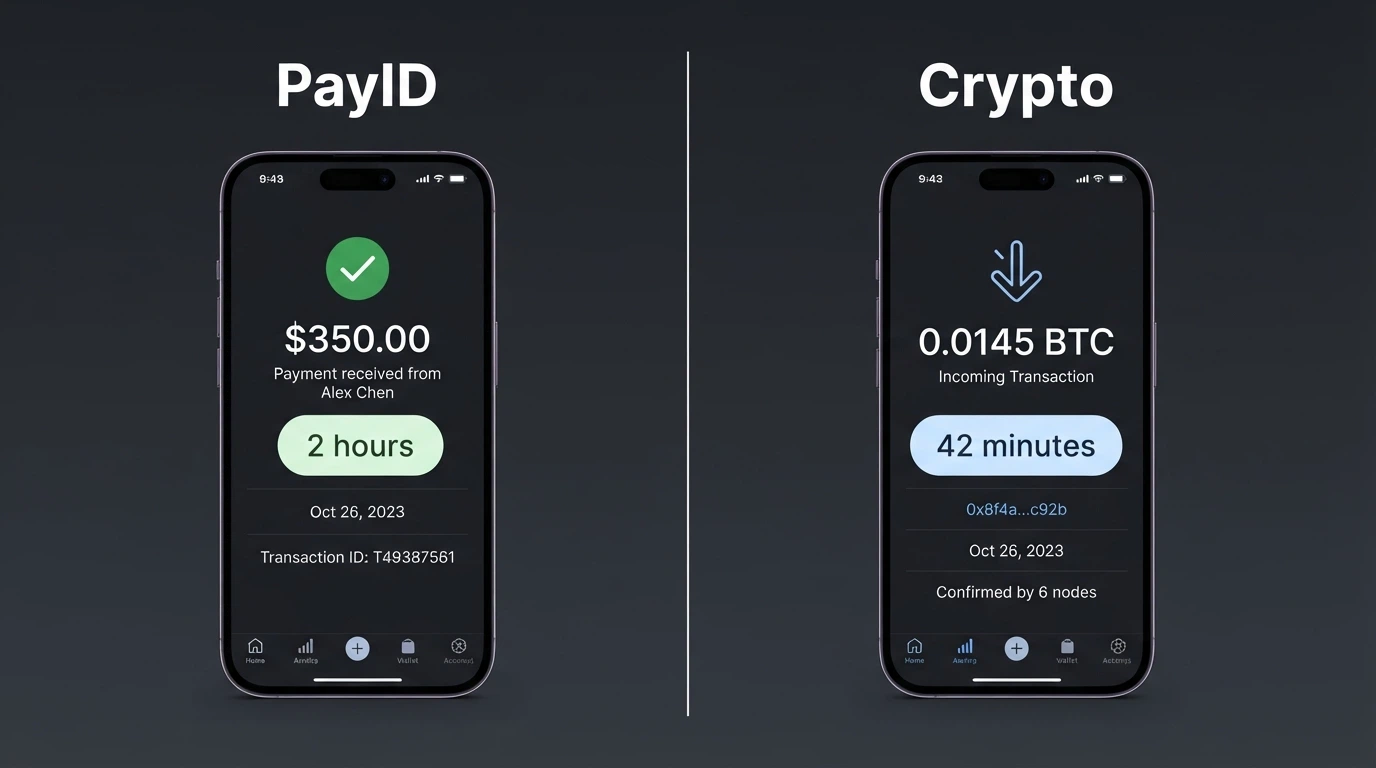
Q2 2026 testing captured all four. Crypto (BTC, LTC, USDT) cleared in a median of 42 minutes. PayID cleared in a median of 2 hours when the operator used a genuine NPP rail, and the slowest operator in the test took just over 11 hours on the same method — which says as much about the operator as the rail. E-wallets (Skrill, Neteller) tested longer than PayID on average. Bank transfers were not in the fast tier at any operator tested. And the most common deception was the “instant bank transfer” claim sitting over a BECS processing window with three batches per business day and zero weekend activity.
The Speed Tiers: Crypto, PayID, E-Wallet and Bank Transfer Compared
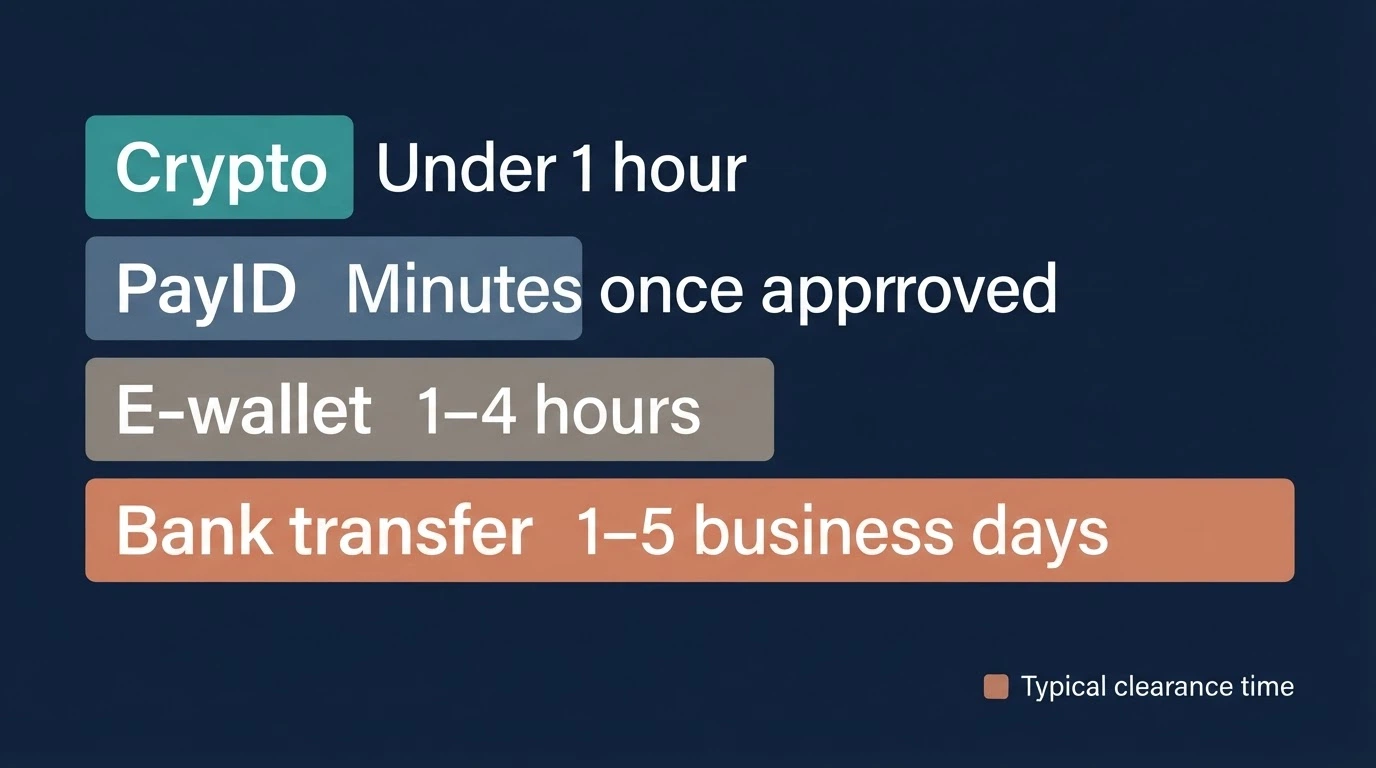
The table below is built from Q2 2026 test data and operator-published processing windows. The Typical Clearance column reflects the speed tier an Australian player should expect from each method; the Tested Median column reflects what actually cleared in testing across the 28-operator sample.
| Payment Method | Typical Clearance Time | Tested Median (Q2 2026) | Processing Note |
|---|---|---|---|
| Crypto (BTC, ETH, LTC, USDT, SOL) | Under 1 hour | 42 minutes | One network confirmation as the floor; exchange-side withdrawal delays sit beyond the casino’s control |
| PayID (via NPP) | Minutes once approved | 2 hours | Many “PayID” casinos accept it for deposits only and fall back to BECS for payouts, taking 1–3 business days — verify the withdrawal rail, not the deposit badge |
| E-wallet (Skrill, Neteller, PayPal) | 1–4 hours | Longer than PayID | KYC and approval queue can extend to 24 hours or more; subject to manual review on first withdrawal |
| Bank transfer | 1–5 business days | Not in the fast tier | BECS runs three batch windows per business day with zero processing on weekends or public holidays |
The variation inside each tier is the part that matters. Crypto clears in 42 minutes on a median basis, but USDT on TRC20 and Solana cleared in under 5 minutes at fast-payout operators during the same testing window. PayID cleared in 2 hours on a median, but SkyCrown’s tested PayID window was 4–9 minutes and the slowest operator in the test took just over 11 hours on the same method. The medians describe the market; the spread describes what any individual player should plan for.
The KYC Bottleneck: Why Your First Withdrawal Is Always the Slowest
The biggest cause of a slow payout is your own KYC, not the casino. Complete it at sign-up rather than at withdrawal. The advice is on every reputable review page for the same reason — it works, and skipping it costs players hours at the worst possible moment, which is when they have just won.
Every legitimate offshore casino serving Australian players runs account verification before the first withdrawal. The documents required are standard — a government photo ID, proof of address dated within three months, and proof of ownership for the payment method used. The processing time once documents are submitted ranges from a few hours to a few days depending on the operator’s verification workload, and from a few minutes to forever depending on whether the documents match the account details cleanly. A slight name mismatch, an expired ID, an out-of-date utility bill — any of these will trigger a re-submission request that adds days.
Casinos that market “no verification” are not eliminating the step. They are deferring it — the verification still happens before the first withdrawal, and the operator that has skipped it at sign-up is rarely the operator that processes the first cashout cleanly. The “no verification” badge, on a casino serving Australian players, is closer to a warning than a feature. It means the operator has decided to defer the only friction the player could have addressed at sign-up, when there was time to fix the small problems, and pushed it to the moment when there is not.
PayID Withdrawals: The Deposit-Only Trap Australian Players Keep Falling For
The PayID badge on an AU-facing casino almost always means PayID is accepted for deposits. It rarely means PayID is used for withdrawals. The genuine PayID withdrawal rail — NPP settling to a PayID in seconds — exists and works, and the fastest operators in Q2 2026 testing cleared payouts through it in 4–9 minutes with no casino-side fees. The common alternative is a standard bank transfer routed through BECS, which takes 1–3 business days and runs three batch windows per business day with no processing on weekends. Both outcomes wear the PayID badge from the player’s side.
The fastest genuine PayID withdrawals in Q2 2026 testing were processed in under 10 minutes; well-run casinos across the sample sat in a 5–30 minute range; SkyCrown’s tested window was 4–9 minutes, reflecting an automated approval pipeline plus high-frequency outbound batching. The slowest operator in the same test took just over 11 hours on the same method. The 11-hour result is the same PayID badge, the same AU bank account, and the same rail in principle — but a different operator behind the approval queue.
How to tell which one a casino actually runs: the deposit and withdrawal screens are the easiest read. If PayID appears as a withdrawal option and is described in minutes rather than business days, the operator is on the genuine NPP rail. If the withdrawal screen offers only “bank transfer” alongside PayID deposits, the operator falls back to BECS for payouts and the PayID badge is for marketing only. The deposits are fast either way. The withdrawals are not.
When “Instant Bank Transfer” Means Three Business Days
Seven of 28 operators tested in Q2 2026 advertised “instant bank transfers” while processing withdrawals through BECS — three batch windows per business day, no weekend processing, no public holiday processing. The marketing copy says instant. The settlement system says three business days in the best case, and four to five when a weekend or public holiday falls inside the window. The gap between those two statements is the marketing budget at work.
POLi was decommissioned on 30 September 2023 and AU deposits now run through PayID, cards or crypto. That is the AU deposit landscape in 2026. The withdrawal landscape still runs on bank transfer for any operator that has not wired NPP through, and that is most of them. A player who reads “instant bank transfer” and assumes NPP should ask the operator directly which rail the withdrawal will use, because the answer determines whether they see their money in minutes or on Wednesday.
The 10 Fastest-Paying Online Casinos Australian Players Can Access in 2026
The table below ranks ten AU-facing operators by tested payout speed rather than published processing windows. Every operator here is offshore — primarily Curacao-licensed, with one licence unconfirmed this run — and none connects to BetStop or to any Australian complaints body. The ranking reflects real withdrawal-time data where it surfaced in research and operator-published processing windows where it did not; the columns reflect what the page is actually claiming to compare, and the gaps in each column are the gaps the page is honest about.
The bonus column is qualitative rather than numerical, and deliberately so. Bonuses at offshore casinos are not a feature comparison the way payout speed is — they are a cost comparison, and the cost depends on the wagering multiple, the game contribution weighting, the cashout cap and the validity window, all of which are stated in the operator section beneath the table rather than in a single number that would flatter the offer.
| Operator | Licence | Fastest Withdrawal (Tested) | Welcome Bonus | Wagering |
|---|---|---|---|---|
| RocketPlay | Curacao (Dama N.V.) | Crypto 0–12h; e-wallet 16–22h | 100% up to A$300 + 100 FS | x40 |
| SkyCrown | Curacao GCB (OGL/2023/176/0095) | PayID 4–9 min | 100% + 100 FS | x40 |
| Stake | Curacao eGaming (8048/JAZ) | BTC 8–15 min; ETH 3–8 min | Crypto welcome via support | Not confirmed |
| WinSpirit | Curacao | 1–24h | 100% up to A$1,000 + 100 FS | x40 |
| Fair Go | Curacao | Crypto 15–45 min (business hours) | 100% up to A$200 | x30 |
| Rainbet | Curacao | Crypto 5–15 min (published) | Up to $2,100 + 60 FS over 3 deposits | x40 |
| Bizzo | Curacao (8048/JAZ2017-067) | Crypto 2–24h | Not confirmed | x35 |
| Casino Rocket | Curacao | Crypto 4–12h; fiat 24–72h | Not confirmed | Not confirmed |
| Royal Reels | Not confirmed | Not confirmed | Not confirmed | Not confirmed |
| BitStarz | Curacao | Crypto 10 min; PayID under 12h | Not confirmed | x40 (NDB) |
RocketPlay
RocketPlay runs under Dama N.V., one of the more recognisable Curacao-licensed groups in the AU-facing market, and the operator’s draw is breadth rather than peak speed. Crypto payouts clear in 0–12 hours advertised; e-wallets clear in 16–22 hours; cards take 2–3 business days. That is a wide method spread covering players who land on any of the three rails, with crypto the fastest lane and card the slowest.
The welcome package is 100% up to A$300 plus 100 free spins delivered as 20 per day across five days. Wagering is x40 on the bonus amount, with a minimum deposit of A$30 and a maximum free-spin win of A$300. The bonus validity window is 5 days — tight, and the kind of window that catches players who assume they have a week. The second deposit match is 200% up to A$300, also at x40. Neither figure is unusual for the Curacao tier, but the 5-day clock is shorter than the 7- to 14-day window most AU-facing offers run.
The verdict on RocketPlay is breadth-with-discipline. Players who want a single operator covering PayID, e-wallet and crypto at workable speeds will find it here. Players who want a genuine no-deposit bonus or a sub-five-minute payout on anything other than crypto should look elsewhere.
SkyCrown
SkyCrown is the standout on PayID in Q2 2026 testing. The licence number — OGL/2023/176/0095, issued by the Curacao Gaming Control Board — verifies against the register. The PayID test window was 4–9 minutes, which is the fastest genuine NPP payout in the featured set and reflects automated approval plus high-frequency outbound batching rather than the manual review queue that drags most competitors into the multi-hour range. The welcome package is 100% plus 100 free spins at x40 wagering, with a 1–7 day published payout range across methods.
What SkyCrown does not have is a confirmed second-deposit match, a confirmed bonus validity window, or a confirmed free-spin win cap this run. The welcome package terms research carries are the minimum the operator publishes, and players should read the full terms page before claiming. The PayID performance is what the operator is being ranked on, and it is genuine.
SkyCrown is the right pick for a player whose bank account is PayID-enabled and whose definition of “fast” is measured in minutes rather than hours.
Stake
Stake is the crypto-only operator with the deepest liquidity in the featured set, and that shows in the withdrawal-time data. Bitcoin cleared in 8–15 minutes during testing. Litecoin cleared in under 5 minutes. Ethereum took 3–8 minutes. The casino library is 3,000+ games, which is at the upper end of the Curacao tier, and the licence is Curacao eGaming 8048/JAZ, verified against the register. Stake does not take fiat deposits or process fiat withdrawals, and the welcome offer is routed through support rather than a published terms page.
The friction point at Stake is threshold-driven. Withdrawals above an A$4,000-equivalent amount may trigger source-of-funds documentation requirements that stall the cashout for 48–72 hours even after the approval queue has cleared. KYC-cleared accounts under the threshold clear in 1–4 hours; KYC-cleared accounts above the threshold can take three days. The mechanism is anti-money-laundering compliance at the payment-processor level, not a delay tactic, but the practical effect on a player withdrawing A$5,000 is the same — three days rather than 15 minutes.
Stake is the right pick for a player who keeps balances in crypto and withdrawals in the sub-A$4,000 range. Players withdrawing five-figure sums should plan the timing rather than assume the test-window speed.
WinSpirit
WinSpirit runs a Curacao licence and carries the biggest game library in the featured set at 6,000+ titles. The welcome package is the biggest match in the set at 100% up to A$1,000 plus 100 free spins, with a second-deposit match of 200% up to A$1,000 also at x40 wagering. The minimum deposit is A$30. The published withdrawal window is 1–24 hours, with crypto at the fast end. Withdrawal limits are a minimum of A$50 and crypto-specific caps of A$2,000 per transaction, A$14,000 per week and A$60,000 per month.
The catch is the max win limit of A$3,000. WinSpirit caps bonus-derived winnings at A$3,000 regardless of stake size or game outcome, which is a tighter ceiling than most of the Curacao tier runs. A player who hits a 21,100x maximum-win configuration on Sweet Bonanza and clears the wagering requirement will be paid A$3,000, not the headline figure. That makes WinSpirit a high-volume, low-headline pick rather than a high-variance one.
WinSpirit suits a player who wants the largest game library and the biggest match on the first deposit, and who is comfortable with a cashout ceiling on bonus-derived winnings. Players chasing headline max-win figures on bonus play should look at operators without the A$3,000 cap.
Fair Go
Fair Go carries the lowest wagering multiple in the featured set at x30, which is unusual for the Curacao tier and one of the operator’s genuine selling points. Crypto withdrawals clear in 15–45 minutes during business hours and 2–4 hours on weekends — the two-stage system applies (pending review up to 48 hours, then approved), but the pending window usually resolves inside an hour for a verified account. The minimum withdrawal is A$100, which is higher than most of the featured set’s A$30–A$50 floor.
The welcome package is 100% up to A$200, smaller than the headline figures elsewhere in the set but paired with the lower wagering multiple. A$200 × 30 = A$6,000 of required turnover, against a A$300 × 40 = A$12,000 required turnover at RocketPlay. The free-spin component and validity window are not confirmed in current research.
Fair Go is the right pick for a player who values a lower wagering multiple over a higher headline match, and who is happy to plan around the weekend crypto slow-down. The A$100 withdrawal floor is the trade-off; smaller cashouts should stay at a lower-floor operator.
Rainbet
Rainbet carries the biggest welcome package in the featured set at up to A$2,100 in matched deposits plus 60 free spins across the first three deposits, with x40 wagering, a minimum deposit of A$30, and a maximum bet of 2% of the initial deposit during bonus play. The published crypto withdrawal speed is 5–15 minutes. Daily withdrawal limit on crypto is A$5,000, weekly A$50,000, monthly A$100,000 — generous by Curacao tier standards and a meaningful differentiator for players moving larger balances.
The licence is Curacao, the bonus terms are clean, and the withdrawal limits make Rainbet a fit for higher-volume players. The second- and third-deposit match terms, the bonus validity window and the free-spin win cap did not surface in research this run, which is the standard gap on a tier-2 Curacao brand where the headline terms are published but the secondary terms are not.
Rainbet is the pick for a player who wants the biggest package in the set and a generous withdrawal ceiling on crypto. Players should confirm the second-deposit terms and bonus validity window with the operator before claiming.
Bizzo
Bizzo runs under TechSolutions Group N.V., an Antillephone-licensed Curacao operator (licence 8048/JAZ2017-067) with a multi-brand portfolio across the Curacao tier. Crypto payouts clear in 2–24 hours depending on KYC status — that is the operator’s published window, with the 2-hour end reflecting a verified account and the 24-hour end reflecting a first withdrawal or a partial KYC. Wagering is x35 on bonus offers, slightly lower than the x40 floor most of the set runs.
The terms, free-spin count, and validity window are not confirmed in current research. The published processing windows and the licence verification are what is being ranked on. Players should read the terms page before claiming.
Bizzo fits a player who wants a TechSolutions-tier operator with slightly lower wagering than the x40 floor and is comfortable with a 2–24 hour crypto window on first withdrawal rather than the sub-15-minute ceiling SkyCrown and Stake run.
Casino Rocket
Casino Rocket runs on the Samurai Partners network alongside Wild Fortune, both Curacao-licensed and sharing a backend. Crypto withdrawals clear in 4–12 hours; fiat withdrawals take 24–72 hours. The library is mid-tier by Curacao standards; the welcome package, wagering terms, and bonus validity window are not confirmed in current research. Network brands run on shared risk profiles — what happens at Wild Fortune is informative about what may happen at Casino Rocket, and vice versa.
Casino Rocket suits a player who already plays on a Samurai Partners brand and wants a second wallet on the same network. Players new to the network should pick the operator with the strongest published terms, which here is the published crypto window rather than the bonus offer.
Royal Reels
Royal Reels has AU-facing market presence and that is what is known about the operator this review. No independently confirmed withdrawal-speed data or bonus terms surfaced in any search result this run — the licence was not verified, the payout windows were not tested, and the welcome offer was not confirmed. The operator is carried on the ranking on a market-share basis only.
Players considering Royal Reels should verify current payout terms, bonus terms and licence status directly with the operator before depositing. The gaps in this section are not an editorial caution; they are a reflection of what the research surfaced, and what it did not.
BitStarz
BitStarz is one of the few featured operators carrying a confirmed no-deposit bonus, which is unusual at this tier. The bonus carries 40x wagering with withdrawals capped at A$150 — meaning a player wins the no-deposit bonus, completes the wagering, and walks away with no more than A$150 regardless of how the reels ran. Crypto clears in 10 minutes during testing; PayID clears in under 12 hours. The licence is Curacao.
The welcome deposit package, free-spin count, and bonus validity window are not confirmed in current research. What is being ranked on is the no-deposit offer, which is genuinely rare at the tier, and the tested withdrawal speeds on the two fastest rails.
BitStarz is the right pick for a player who wants to test an operator without committing a deposit first, and who is comfortable with the A$150 ceiling on no-deposit-derived winnings. The 10-minute crypto window is a real edge for a player who clears wagering on the bonus and wants the cashout cleared before the A$150 cap is even tested.
What Australian Law Actually Says About Online Casino Withdrawals
There is no Australian online casino licence. None exists federally, none exists in any state or territory, and none will exist under the Interactive Gambling Act 2001 as currently drafted or as amended by the 2026 reform bill. Online casino games, online pokies and in-play sports betting are prohibited to people in Australia under the IGA, strengthened by the Interactive Gambling Amendment Act 2017. Every site an Australian can access and wager on is operated from offshore, under an offshore licence, by an offshore company that does not have to answer to Australian regulators. That is the legal landscape for the entire ranking above.
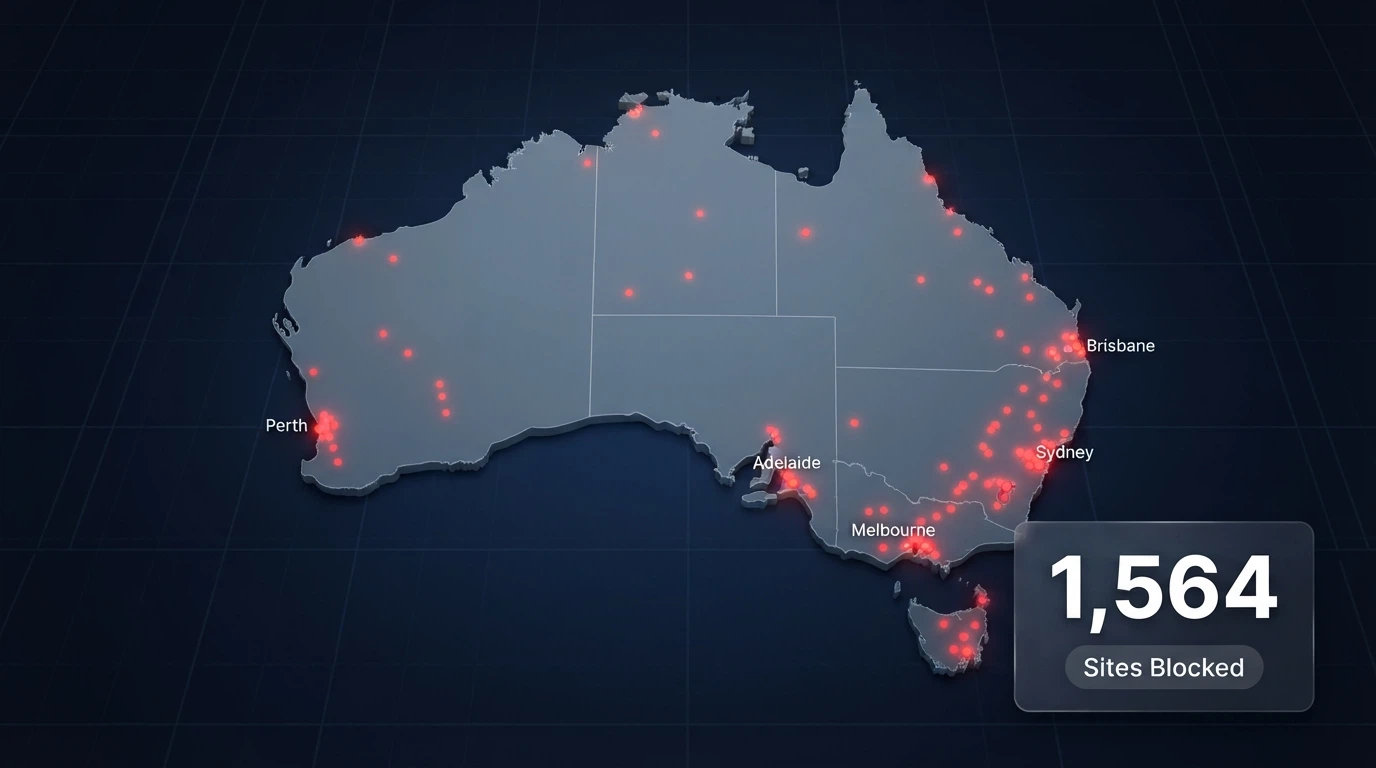
The ACMA is the federal regulator enforcing the online prohibition. It investigates complaints, issues formal warnings, pursues civil penalty proceedings and directs ISPs to block illegal sites. Since its first blocking request in November 2019, the ACMA has had 1,564 illegal gambling and affiliate websites blocked. More than 225 illegal services have withdrawn from the Australian market since 2017. The enforcement is real and ongoing. The ACMA does not recover funds for individual players — that is not its role, and it is not a role any other Australian body fills for offshore-casino transactions.
The IGA targets providers, not players. No Australian has been prosecuted for placing a wager on an offshore casino, and that is the one thing standing between the prohibition and the player. Everything else goes the other way, as the section below sets out.
The Offshore Trade-Off: What Australian Players Give Up
- No Australian consumer protection. Transactions with offshore casinos sit outside the Australian Consumer Law. The operator’s own terms page is the contract, and there is no Australian body to escalate a dispute to if the operator enforces those terms against the player.
- No Australian complaints body. The ACMA cannot recover anyone’s money. There is no AU equivalent of the UK Gambling Commission or the Malta Gaming Authority complaints process for offshore-casino players. The only available remedy is the dispute mechanism of the offshore licence.
- No BetStop coverage. BetStop binds only Australian-licensed wagering services. An offshore casino is not on the register and will keep accepting a self-excluded person’s money. The Australian who has registered with BetStop to stop gambling has stopped at licensed operators only.
- No recourse on withheld winnings. If the operator refuses a withdrawal, voids a win, or stops answering email, the player has no escalation path inside Australia. The Curacao Gaming Control Board, where most of the licences on this page were issued, does not recover funds.
- Site blocking with a balance on it. The ACMA has blocked 1,564 illegal sites since 2019. Blocking is ongoing. A site can be blocked with a withdrawal still pending, and a player who has not withdrawn before a block is issued finds out at that moment what “no recourse” means in practice.
The 2026 Reform: What Changes from 1 January 2027
The Interactive Gambling Amendment (Gambling Reform) Bill 2026 was introduced on 2 July 2026 and passed Parliament on 19 August 2026. Its measures commence on 1 January 2027. The bill’s casino-relevant provisions centre on payment blocking: from 1 January 2027, banks and payment providers gain express authority to block transactions to illegal gambling operators. That changes the withdrawal landscape because it changes the deposit landscape — an AU bank that previously processed a transaction to an offshore casino because no rule said it could not now has a rule that says it can block the transaction, and the practical effect is that fewer deposits land at offshore casinos and the AU-facing market tightens.
The bill also restricts wagering advertising: a 3-ads-per-hour cap between 6:00 am and 8:30 pm, a live-sport blackout, radio ad restrictions during school times, no broadcasting of sporting odds, and a bar on athletes, celebrities and influencers promoting wagering. Inducements are prohibited for 14 days after sign-up, for 3 months after BetStop deregistration, and indefinitely for at-risk customers. None of these measures legalise online casino. They govern the AU-licensed wagering market and tighten the noose on the offshore market the AU-facing operators on this page sit inside.
The change that matters most for a player reading this page is the bank-blocking authority. From 1 January 2027, an AU bank or payment provider can decline a transaction to an offshore casino, and the player will find out at the deposit step rather than the withdrawal step. The page’s recommendations are unchanged; the friction at the deposit step is not.
Crypto Withdrawals: The Fastest Route from Casino to Wallet
Crypto is the fastest method at every operator that supports it. The Q2 2026 median across the 28-operator test sample was 42 minutes, against 2 hours for PayID and 1–5 business days for bank transfer. The fastest individual currencies cleared in under 5 minutes. The slowest crypto withdrawals in the test sat in the 1–4 hour range. None of them took a business day.

The mechanism is straightforward. Once the operator’s approval queue releases a crypto withdrawal, the transaction settles on the blockchain subject to network confirmation times, which are operator-set for outbound payments. One confirmation is the typical floor at fast-payout operators; six confirmations is the typical ceiling at conservative ones. The exchange-side delay — moving crypto from the casino’s hot wallet to the player’s wallet, then from the player’s wallet to an AUD off-ramp — sits beyond the casino’s control and is the slowest leg for most players.
The trade-off is structural. Crypto is banned as payment for online wagering in Australia since 11 June 2024 under the Interactive Gambling Amendment (Credit and Other Measures) Act 2023. An Australian who is asked for a crypto deposit by a gambling site is being served by someone outside the Australian rules — the payment method is itself a tell. That does not make the operator unsafe for an Australian player, but it does confirm what the IGA already says: the operator is offshore, and the offshore status is the reason crypto is on the cashier screen at all.
Bitcoin, USDT and the Rest: Which Coin Actually Clears Fastest
Tested clearance times in Q2 2026: Bitcoin 8–15 minutes, Litecoin under 5 minutes, Ethereum 3–8 minutes, USDT on TRC20 under 5 minutes, Solana under 5 minutes. The fastest currencies cleared faster than Bitcoin because their networks confirm faster — TRC20 and Solana settle on block intervals of seconds rather than Bitcoin’s roughly 10-minute target. Network confirmation is the floor; the casino’s approval queue sits on top of it. The fastest operators clear the approval queue in minutes; the slowest take hours.
The Bitcoin result is the most useful reference point because Bitcoin is the most common crypto on casino cashier screens and the most familiar to AU players moving from fiat. At 8–15 minutes during Q2 2026 testing, Bitcoin is fast by any AU banking standard, and slow by crypto standards. USDT on TRC20 and Solana are the speed picks for a player who values minutes over familiarity. Ethereum sits in between. The choice comes down to whether the player is optimising for speed or for the coin they already hold.
Crypto-Only vs Mixed Casinos: Which Setup Serves Australian Players Better
Stake runs crypto-only, with deep liquidity and the fastest tested speeds in the featured set. The trade-off is that a player without crypto cannot deposit and cannot withdraw — there is no PayID rail, no e-wallet rail, no bank transfer fallback. The welcome offer is routed through support rather than a published terms page, and the operator does not run a no-deposit bonus. The pure-crypto model is fast by design and narrow by design.
Mixed casinos accept PayID, cards and crypto, with fiat withdrawals falling back to BECS bank transfer when crypto is not selected. The convenience is real — a player can deposit with PayID, play in AUD and withdraw to an AU bank account without touching a wallet. The trade-off is speed. Mixed casinos are slower on the cashout than Stake or SkyCrown on crypto, and the cashout cap on bonus-derived winnings at some mixed operators is tighter than the headline match suggests.
The AU payment-ban context matters here. Credit cards and crypto are banned as payment for online wagering in Australia since 11 June 2024. The mixed casinos on this page serve Australian players by accepting crypto on the deposit side despite the ban — the ban applies to operators licensed in Australia, and the operators on this page are not licensed in Australia. The crypto option exists because the operator is offshore, and the offshore status is what makes the cashier screen work. Players should read that connection before depositing.
Why Your 2026 Bonus Is Slower to Cash Out Than the Casino Promises
A bonus turns a fast-withdrawal casino into a slow one. The mechanics are: the bonus amount is locked behind a wagering multiple; the wagering must be completed before any withdrawal is processed; game contributions count at less than 100% on table games; cashout caps limit what can be withdrawn even after wagering is met; and bonus validity windows expire before the wagering is finished in some cases. The fast-withdrawal casino still pays fast — once the bonus is cleared, the cashout follows the method-speed tier the table earlier in this page set out. The bottleneck is the bonus, not the operator.
The standard offer across the Curacao tier is a 100% match up to around A$150 with a wagering requirement of 30x to 40x the bonus amount. At x40 on a A$300 match, the required turnover is A$12,000 before any withdrawal can be processed. At x30 on a A$200 match, the required turnover is A$6,000. These are not small numbers, and they are the reason a player who claims a match bonus finds the withdrawal timeline much longer than the operator’s published speed.
No-Deposit Bonuses and Fast Withdrawals: The Two Promises That Rarely Meet
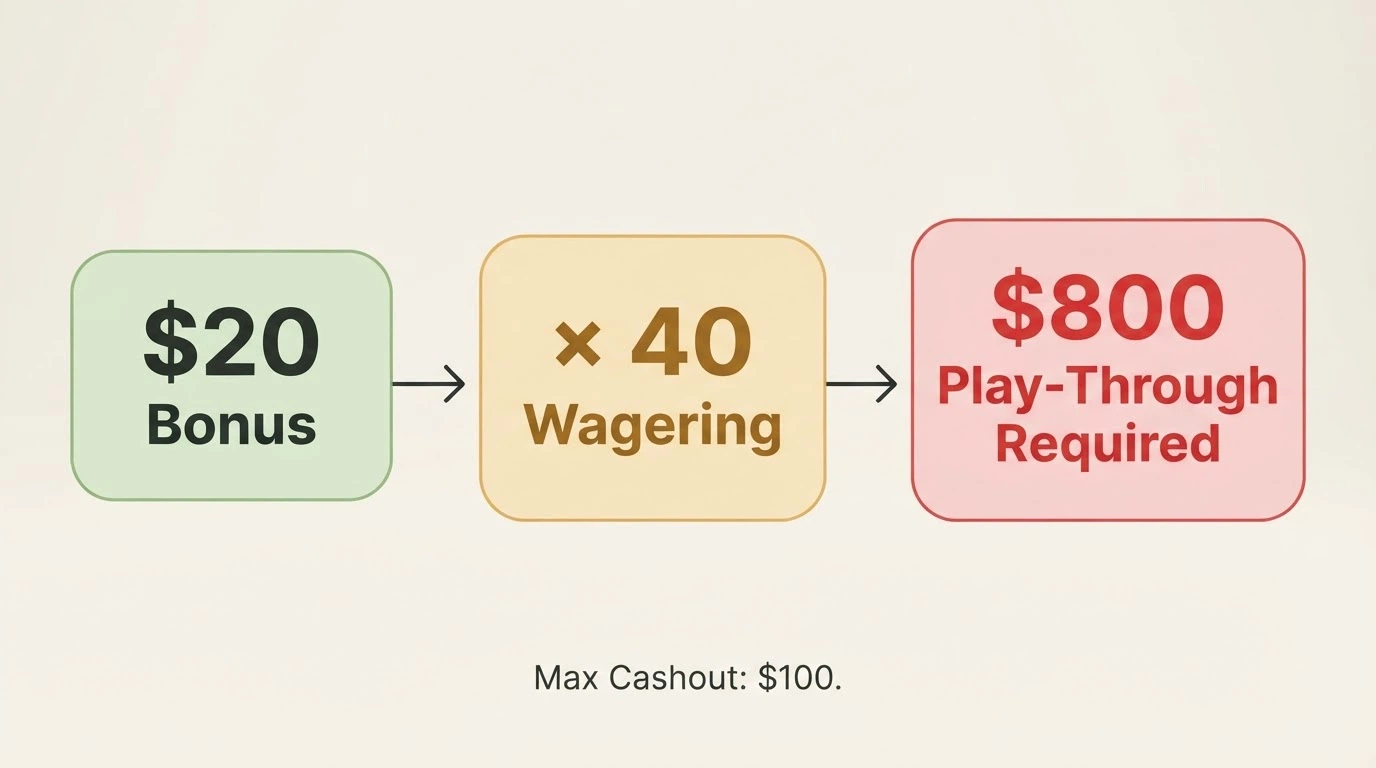
No-deposit bonuses at AU-facing casinos typically offer 20 to 100 free spins; wagering requirements range from 30x to 50x; maximum cashout caps typically run from A$50 to A$100. BitStarz is the confirmed no-deposit operator in the featured set, carrying 40x wagering and a A$150 cashout cap. The math is the same at every operator: a A$20 no-deposit bonus at 40x wagering means A$800 of required turnover before a single dollar can be cashed out; a A$100 cashout cap means the player cannot withdraw more than A$100 regardless of how much is won.
The trap at the tightest end of the market is the cap-and-floor meeting. Where the cashout cap on a no-deposit bonus is A$50 and the operator’s minimum withdrawal is also A$50, the only valid withdrawal amount on cleared bonus winnings is exactly A$50 — a player who wins A$48 cannot withdraw, and a player who wins A$200 walks away with A$50. That configuration exists at AU-facing operators and is the sharpest version of the no-deposit offer. Players should read the cap and the floor before claiming.
A no-deposit bonus that clears quickly is rare. The 10-minute crypto window at BitStarz is what fast withdrawal looks like at a verified account — but the 40x wagering and the A$150 cap are what the bonus looks like before wagering starts. The two promises are independent, and a player who claims a no-deposit bonus to test fast withdrawal is testing the withdrawal, not the bonus.
Match Bonuses vs the Withdrawal Clock: How Wagering Multiplies Your Play-Through
The wagering arithmetic is the multiplication the bonus terms page does not put in a single sentence. A 100% match up to A$300 with x40 wagering on the bonus amount turns a A$300 bonus into A$12,000 of required turnover. A 100% match up to A$1,000 with x40 wagering turns a A$1,000 bonus into A$40,000 of required turnover. Game contribution matters here: pokies contribute 100% toward wagering; table games contribute 10–20%. A player who clears A$12,000 of required turnover on pokies needs to wager A$12,000; the same player on roulette needs to wager between A$60,000 and A$120,000 to contribute the same A$12,000.
The bonus validity window is the second multiplier. RocketPlay runs a 5-day window on its 100% + 100 free spins offer; WinSpirit’s window was not confirmed this run. A 5-day window on a A$12,000 required turnover at standard pokie spin rates is achievable; a 5-day window at A$40,000 is not, and the bonus expires before the wagering is finished. That is not a withdrawal problem. It is a bonus problem dressed up as a withdrawal problem, and the player who loses the wagering mid-window loses the bonus and any winnings tied to it.
The expected cost of clearing a bonus can be calculated. Take a A$20 no-deposit bonus at 40x wagering: the required turnover is A$800. On a representative pokie such as Big Bass Bonanza, with an RTP of 96.71%, the expected loss from A$800 of wagering is A$800 × (1 − 0.9671) = A$26.32 — roughly A$1.32 of house edge for every A$1 of bonus value. That is the bonus’s real cost: about A$26 paid back to the casino in exchange for the chance to win up to the A$100 cap. Any upside beyond the cap is locked regardless of what the reels do, and the player who treats the bonus as a withdrawal speed test is treating the wrong variable as the cost.
The Pokies and Live Tables You Can Play With a Fast Cashout
Fast withdrawals only matter if the games are worth playing. The pokies, RNG tables and live-dealer titles at the fastest-paying AU-facing casinos are the same libraries the Curacao tier runs across the broader market — Pragmatic Play, NetEnt, Play’n GO, BGaming — with the RTP published per title and the volatility varying by game. The operator’s published RTP is not necessarily the RTP a player sees at the table, because some providers ship the same title in multiple RTP configurations and the operator chooses which one to deploy. The version a casino runs matters as much as the title on the cashier screen.
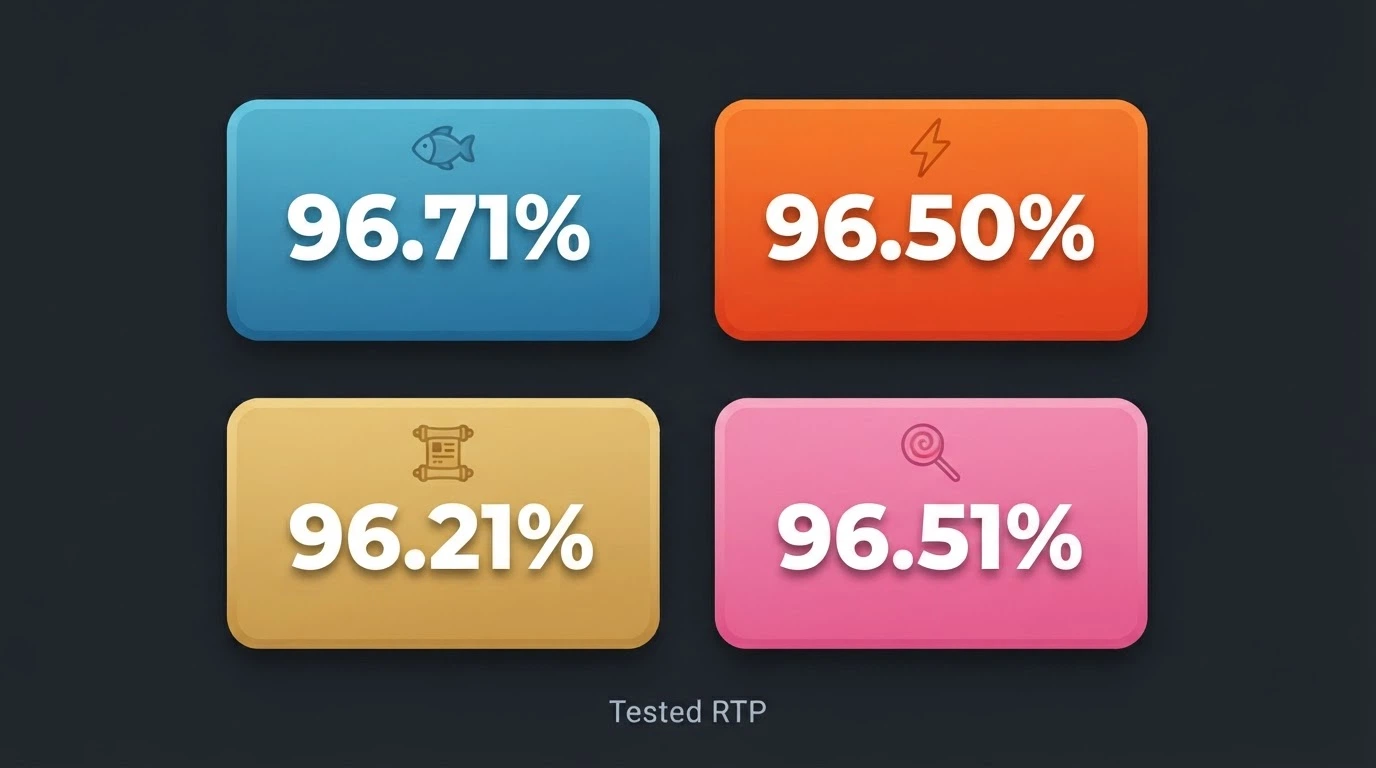
The table below lists the highest-RTP pokies in the set with the figures research carries. The volatility column carries a rating where research states one; the Max Win column carries the headline figure where research states it. Where research does not state a value, the column shows an em dash.
The Highest-RTP Pokies at Fast-Payout Casinos in 2026
| Pokie Title | Provider | RTP | Volatility | Max Win |
|---|---|---|---|---|
| Mega Joker | NetEnt | 99.00% (supermeter) | — | — |
| Big Bass Bonanza | Pragmatic Play / Reel Kingdom | 96.71% | Medium-High | 2,100x |
| Sweet Bonanza 1000 | Pragmatic Play | 96.53% | High | 25,000x |
| Sweet Bonanza | Pragmatic Play | 96.51% | High | 21,100x |
| Gates of Olympus | Pragmatic Play | 96.50% | High | 5,000x |
| Gates of Olympus 1000 | Pragmatic Play | 96.50% | High | 15,000x |
| Book of Dead | Play’n GO | 96.21% | High | 5,000x |
| Wolf Gold | Pragmatic Play | 96.01% | Medium | 2,500x |
Mega Joker sits at the top of the table at 99.00% in supermeter mode, which is the highest widely-available RTP in the featured set. The trade-off is that supermeter mode is a specific play configuration rather than the default spin, and the base game runs at a lower RTP. The rest of the table sits in the 96% range, which is the standard band for high-quality online pokies. The figures shown are the highest published RTP per title; the actual RTP at any specific casino depends on the configuration the operator has deployed, and the next subsection explains how to check.
Real-Money Pokies: RTP, Volatility and Why the Version Your Casino Runs Matters
Pragmatic Play ships popular pokies in up to four RTP configurations. The same game name can return 96.51% or 91.51% depending on which configuration the operator chose to deploy. Sweet Bonanza sits at 96.51% at the top end and at 91.51% at the bottom, a 5-percentage-point spread that costs the player A$5 on every A$100 wagered at the bottom-end version. Gates of Olympus and Wolf Gold run the same model. Book of Dead, from Play’n GO, is operator-adjustable to 94% or 92% in addition to the 96.21% default. The version a casino runs is the version the player plays, and the published figure on the review page is not necessarily the figure on the screen.
How to check which version is running: the in-game information or paytable screen on every Pragmatic Play and Play’n GO title carries the RTP figure. Open the paytable, scroll to the rules or game-info section, and the RTP is stated as a percentage. A figure that matches the table above is the configuration the operator chose. A figure that does not match is a different configuration, and the house edge has just moved.
The check takes ten seconds and is the single highest-value read a real-money pokie player can do before the first spin. A player who plays 96.51% Sweet Bonanza at a casino that deploys the 91.51% version is paying five cents of every dollar as additional house edge. Across a session, that is the difference between a bonus clearing on budget and a bonus expiring inside the validity window.
Playing Safely When Your Casino Is Offshore
The responsible-gambling tools that work at offshore casinos are the ones the operator chooses to offer. Deposit limits, session timers, cooling-off periods and account-level self-exclusion are available at most Curacao-licensed brands. None of them connect to BetStop — the National Self-Exclusion Register binds only Australian-licensed wagering services, and offshore casinos are not on the register. An Australian who has registered with BetStop has self-excluded from licensed AU wagering only. The offshore casino on this page will keep accepting their deposits.

The numbers on BetStop are worth knowing for context. As at 31 July 2026, the register had 67,480 registrations, of which 41,290 exclusions were still active. 78% of registrants were under 40, and 38% had chosen lifetime exclusion. The register is the strongest player-protection tool available to Australian residents — and the gap that matters is that it does not reach the operators on this page.
The Tools Offshore Casinos Actually Offer — and the Ones They Cannot
Most offshore casinos in the featured set offer deposit limits, session time reminders, and account-level self-exclusion. The deposit-limit mechanism is operator-set rather than regulator-set; the limit is whatever the player configures and is enforced at the cashier. Session-time reminders are browser notifications or in-account timers. Self-exclusion at an offshore casino is a single-operator exclusion: the player is blocked at that operator but not at the others on this page or at any other AU-facing brand.
The BetStop gap is the practical meaning. An Australian who has registered with BetStop because they could not control their gambling has stopped at every AU-licensed wagering service. The offshore casino they were playing at before registering has no record of the registration, no obligation to check, and no rule against accepting the next deposit. The protection is real at the licensed end and absent at the offshore end, and the offshore end is where this page lives.
Players who need the offshore operators to honour a self-exclusion need to set it at each operator individually, then verify it has been honoured by attempting a deposit a week later. The deposit limit and the session timer can be set at the same time, and both are reversible only after a cooling-off period at most Curacao-licensed brands. None of this connects to BetStop, and that is the part an Australian player weighing an offshore casino needs to weigh.
Help That Actually Works: Australian Problem-Gambling Support
The National Gambling Helpline is 1800 858 858 — free, confidential, staffed 24 hours a day, 7 days a week. Gambling Help Online at gamblinghelponline.org.au carries online chat and counselling. Both services work regardless of where a player’s casino is licensed, and both are staffed for Australian residents specifically. The minimum age for all commercial gambling in Australia is 18.
The prevalence data behind the services: about 2.1% of Australian adults — roughly 430,000 people — experience problem gambling. High-risk gambling sat at 1.8% in the most recent AIHW measurement (2022). These are the population-level numbers that explain why the helpline runs around the clock and why BetStop exists at all, and they are also the population-level numbers that explain why a page about fast-withdrawal casinos has a section on help services rather than only a section on withdrawal speed. The fastest withdrawal in the world does not matter if the player behind it needs the helpline rather than the cashier screen.
How We Evaluated and Ranked These Fast-Payout Casinos
The ranking above draws on five sources. The ACMA blocked-websites register, consulted to confirm that no operator on this page is currently blocked in Australia — a blocked operator is not a working operator, and a working operator is the baseline of the comparison. The Curacao Gaming Control Board licence register, consulted to verify the licence numbers research carries; licence numbers stated without verification are stated as such on the operator’s row of the table. Independent test data from AussiePokies96 (Q2 2026 PayID speed test), Cardplayer (instant-withdrawal testing), Slotspeak (instant bank transfer audit, BECS processing windows), Betzoid (Stake coin-by-coin clearance times), and Payoutverdict (pokies RTP and operator withdrawal windows). The combination is the basis for the medians in the speed tier table, the BECS-versus-NPP analysis, and the per-operator published processing windows in the ranking table. Operator terms pages were consulted for bonus, wagering, validity and cashout-cap figures where research carries them; the bonus terms that did not surface in research are flagged as such in the relevant operator section.
The ranking criteria, in priority order: tested withdrawal speed over published marketing claims (a SkyCrown PayID test of 4–9 minutes outranks an unverified “instant” claim at a competitor); licence verification against the Curacao register (an unverified licence is flagged on the operator row rather than treated as confirmed); bonus-term analysis (the wagering multiple, cashout cap and validity window are stated where research carries them and flagged where it does not); and confirmed AU-facing status (operators without independent confirmation of an AU-facing cashier, terms page and KYC process for AU residents were dropped from the ranking — Scream Casino was dropped this run for insufficient confirmation).
The ranking does not evaluate: the depth of the game library beyond what research carries (the 3,000+ figure at Stake and the 6,000+ at WinSpirit are stated; no other count was verified this run); the responsiveness of customer support beyond what the bonus-terms pages show; the fairness of individual game titles beyond the published RTP and volatility figures; or the operator’s track record on dispute resolution beyond what the Curacao register indicates about licence status. Players weighing an operator beyond the withdrawal-and-bonus comparison should run their own checks at the cashier and the terms page.
Your Fast-Withdrawal Casino Checklist: What to Do Before You Deposit
- Verify the licence on the Curacao register. The licence number on the operator’s footer should resolve against the Curacao Gaming Control Board register before the first deposit. Royal Reels is the operator on this page where this check could not be completed.
- Complete KYC at sign-up rather than at withdrawal. Every legitimate offshore casino requires verification before the first withdrawal; the operator that has it on file at sign-up is the operator that processes the first cashout quickly.
- Check whether PayID is deposit-only or genuine NPP. The deposit screen always shows PayID; the withdrawal screen tells you which rail the operator actually runs. PayID on the withdrawal screen means minutes. Bank transfer on the withdrawal screen at a “PayID” casino means 1–3 business days.
- Read the bonus cashout cap and wagering multiple before claiming. A 100% match at x40 with a A$100 cashout cap is the standard configuration; deviations matter. A A$20 no-deposit bonus at 40x with a A$50 cap is the cap-and-floor trap and should be declined on those terms.
- Confirm the withdrawal method you plan to use is actually available for payouts. Crypto on the deposit screen does not guarantee crypto on the withdrawal screen at every operator. Confirm the rail you intend to use is the rail the operator actually runs.
Frequently Asked Questions
Why does KYC verification delay my casino payout?
Every legitimate offshore casino requires account verification before the first withdrawal — government photo ID, proof of address dated within three months, and proof of ownership for the payment method used. The verification is run by the operator’s risk team, and processing can take anywhere from a few hours to a few days. The first withdrawal is always the slowest because the verification has not yet been completed; later withdrawals on the same account typically clear inside the operator’s published processing window. Completing KYC at sign-up rather than at the first withdrawal is the single biggest speed lever a player controls, and operators that skip KYC at sign-up are deferring the friction rather than removing it.
What is the maximum I can withdraw from a no-deposit bonus at an Australian-facing casino?
No-deposit bonuses at AU-facing casinos carry maximum cashout caps that typically run from A$50 to A$100; the confirmed cap in the featured set is A$150 at BitStarz. The cap is the maximum amount a player can withdraw from bonus-derived winnings regardless of how much the reels pay out. A player who wins A$1,000 on a no-deposit bonus with a A$100 cashout cap walks away with A$100, with the remaining A$900 retained by the operator as a bonus-cost adjustment. The cap is set in the bonus terms and applies on top of the wagering requirement — a player must clear the wagering AND stay within the cashout cap before any withdrawal is processed.
Do any Australian-licensed online casinos exist?
No. Online casino games, online pokies and in-play sports betting are prohibited to persons in Australia under the Interactive Gambling Act 2001, strengthened by the Interactive Gambling Amendment Act 2017. No licence for online casino exists federally or in any state or territory. Wagering on races and sport placed before the event begins is licensable, and lotteries and keno are licensable, through operators licensed by a state or territory — typically the Northern Territory Racing and Wagering Commission in practice. Online casino is not licensable under any current Australian regime. Every site an Australian player can access is operated from offshore under an offshore licence. The Interactive Gambling Amendment (Gambling Reform) Bill 2026, which commences 1 January 2027, does not legalise online casino.
How does BetStop affect my ability to play at offshore casinos?
BetStop does not affect it. BetStop — the National Self-Exclusion Register — binds only Australian-licensed wagering services. Offshore casinos are not licensed in Australia, are not connected to the register, and will keep accepting a self-excluded person’s deposits. An Australian who has registered with BetStop has stopped gambling at every AU-licensed wagering operator but has not stopped at any of the operators on this page. The offshore exclusion has to be set at each operator individually — most Curacao-licensed brands offer account-level self-exclusion — and the player should verify the exclusion has been honoured by attempting a deposit a week later. The BetStop registration itself does not reach the operators this page ranks.
What happens to my money if an offshore casino is blocked by the ACMA?
The ACMA has blocked 1,564 illegal gambling and affiliate websites since November 2019; more than 225 illegal services have withdrawn from the Australian market since 2017. Blocking is a real and ongoing enforcement process. When a site is blocked, the player’s access to the site via Australian ISPs is cut, but the player’s balance on the site is not recovered by the ACMA — the ACMA cannot recover anyone’s money. The player is reliant on the operator to honour pending withdrawals before the block takes effect, and there is no Australian body to escalate to if the operator does not. Withdrawing before any anticipated blocking action — and withdrawing promptly in general — is the only practical protection against a balance being stranded on a blocked site.
Can I use a no-deposit bonus and still get a fast withdrawal?
Yes — the speed of the withdrawal is independent of the bonus terms. A player who completes KYC at sign-up, claims a no-deposit bonus, clears the wagering requirement on a pokie that contributes 100%, and then requests a withdrawal will see the cashout processed on the same speed tier as any other withdrawal at that operator. The bottleneck at the no-deposit bonus is not speed; it is the cashout cap. A player who wins above the cap walks away with the cap amount, regardless of how fast the cashout processes. The combination of a fast withdrawal and a no-deposit bonus is achievable at BitStarz in the featured set, where the 10-minute crypto window and the A$150 no-deposit cap can both apply on the same withdrawal — the speed is real, and the cap is the cost.
Live Casino Tables: Do They Pay Out Fast?
Live casino tables run on real-time dealer action — live blackjack, roulette and baccarat — streamed from studio providers such as Evolution and Pragmatic Play Live. The withdrawal speed on live-casino winnings depends on the operator’s processing pipeline, not on the game type. A live-dealer hand pays out at the table the moment it resolves, and the winnings sit in the player’s account balance subject to the same approval queue, KYC gate and method-speed tier a pokie win would face.
The relevant difference is the game contribution toward wagering. Table games contribute 10–20% toward wagering requirements, against 100% for pokies. A live-casino player who claims a bonus and tries to clear it on live blackjack needs to wager five to ten times the pokie requirement to clear the same bonus amount. That is not a withdrawal-speed problem. It is a bonus-clearing problem, and live-casino players who claim bonuses without reading the contribution weighting end up with bonus money that does not move on the wagering clock.
The practical experience for a live-casino player is that the cashout follows the method-speed tier in the table at the top of this page, the same way it does for a pokie player. The 10-minute crypto window at BitStarz and the 4–9 minute PayID window at SkyCrown apply to a live-blackjack win the same way they apply to a Sweet Bonanza spin. The game is what the player spent the bankroll on; the cashout is the operator’s pipeline.