
Australian No-Deposit Bonuses in 2026: What’s Real and What’s Marketing
A no-deposit bonus looks like the only free lunch in online gambling. Sign up, collect A$5 in bonus cash or twenty free spins, and the only thing risked is the time it takes to find out what the terms actually say. By the time the wagering multiple, the maximum cashout, the max-bet rule and the expiry window have been read, the offer is a small, complicated contract — not a gift. That contradiction is the page. The headline figure is rarely what is kept, and the operator giving it away is rarely the one it appears to be: every brand in this review is an offshore casino serving Australians, because online casino is a prohibited service under the Interactive Gambling Act 2001 and no Australian licence exists for it. Reading the small print costs nothing. Ignoring it can cost the whole balance.
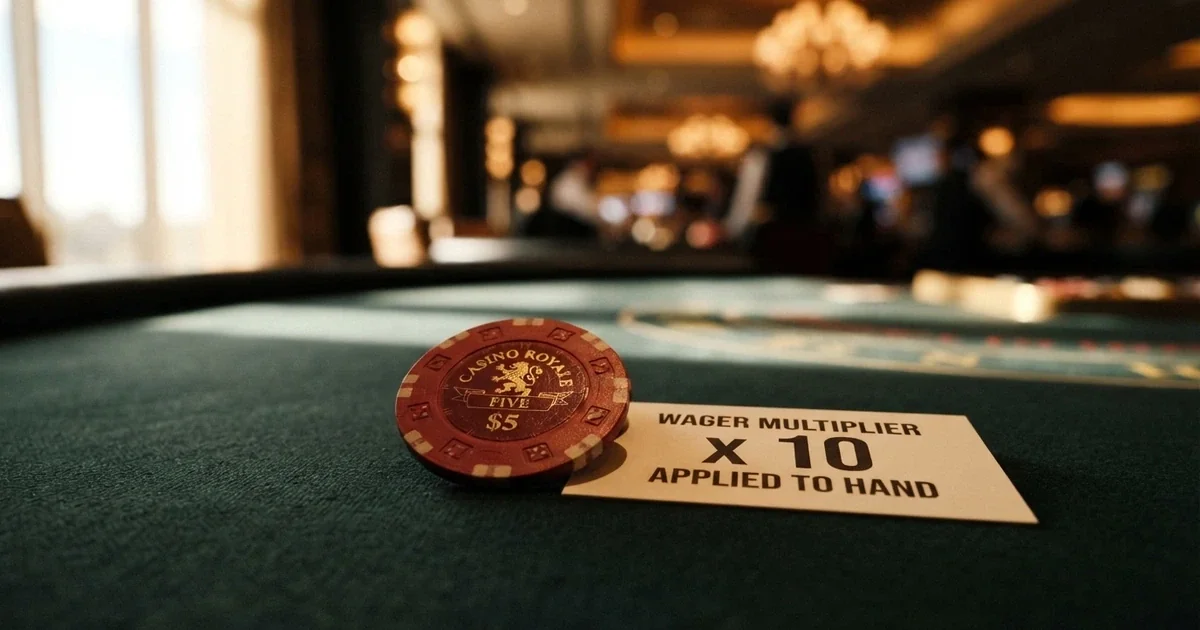
Data current as of 16 October 2026, verified against the ACMA’s quarterly enforcement register.
Table of Contents
- What a No-Deposit Bonus Actually Is — and Why It’s Never Free
- Why Your 2026 No-Deposit Bonus Is Smaller Than It Looks
- The Casinos Australians Are Finding — and Which Actually Carry a No-Deposit Bonus
- New Casinos, New Offers — Do Fresh Brands Bring Better No-Deposit Deals?
- Getting Paid: Why Your Withdrawal Method Matters More Than the Bonus
- Crypto No-Deposit Bonuses: Anonymity Has a Price
- Every Bonus on This Page Sits Outside Australian Law — Here’s What That Costs You
- Playing Without a Safety Net: What Offshore No-Deposit Bonuses Mean for Safer Gambling
- How We Researched This Guide — Our Selection Criteria
- No-Deposit Bonuses in 2026: The Verdict That Puts You First
- Frequently Asked Questions
What a No-Deposit Bonus Actually Is — and Why It’s Never Free
A no-deposit bonus is credit a casino issues without asking for money first. In Australian-facing offers that credit usually takes one of two forms: a small cash balance — typically A$5 to A$25, with a premium A$50 appearing occasionally through exclusive affiliate links — or a fixed bundle of 10 to 50 free spins locked to a single pokie at a fixed stake. Either way, the player does not fund the offer. The operator does.
Why an operator funds it is the second question. The answer is acquisition. Online casino is a prohibited service in Australia, so no brand can buy search ads in the country or buy a ticketed welcome at the Melbourne Cup. The bonus, the affiliate email, the rotating code on a comparison site — these are the marketing channel. The operator is buying a registered account, with the rest of the relationship to be monetised after the player has put money in. The acquisition cost is the bonus. The expected return is the second deposit.
That is the core tension. The bonus is genuinely free to claim and genuinely not free to clear. The house has no need to be generous when the wagering terms decide how generous the offer actually is. A player who walks into a no-deposit offer expecting a gift walks out of it having paid for the privilege of being marketed at. The arithmetic, not the marketing, decides the value.
No-Deposit vs Deposit Match: Why the Difference Matters Before You Click
A matched-deposit bonus is the structure most Australian players have already met. The casino matches a percentage of the player’s first deposit — 100% up to A$200, 50% up to A$500 — and applies a wagering multiple, usually around 40x in this market. The player has skin in the game because they have paid in. The operator is meeting them halfway.
A no-deposit bonus is structurally different. The operator carries all the risk because it has paid in. That imbalance shows up in the wagering multiple. Welcome bonuses at Australian-facing operators average around 40x the bonus amount; no-deposit bonuses average closer to 55x. The higher multiple is the operator’s price for taking the risk that the player never deposits. It is not a marketing choice; it is the arithmetic of giving away money to a stranger.
The other structural difference is what the multiple applies to. A no-deposit bonus is usually small enough — A$5 to A$25 — that the operator applies wagering to the bonus winnings, not the bonus itself. That distinction matters: wagering A$2,000 of free-spin winnings is not the same proposition as wagering A$2,000 of the operator’s cash. The first is a percentage of money the player did not have to begin with. The second is a percentage of money the player would never have seen.
Sign Up, Enter a Code, Meet the Terms: How a No-Deposit Bonus Actually Works
The four gates are the same across almost every offshore casino serving Australians:
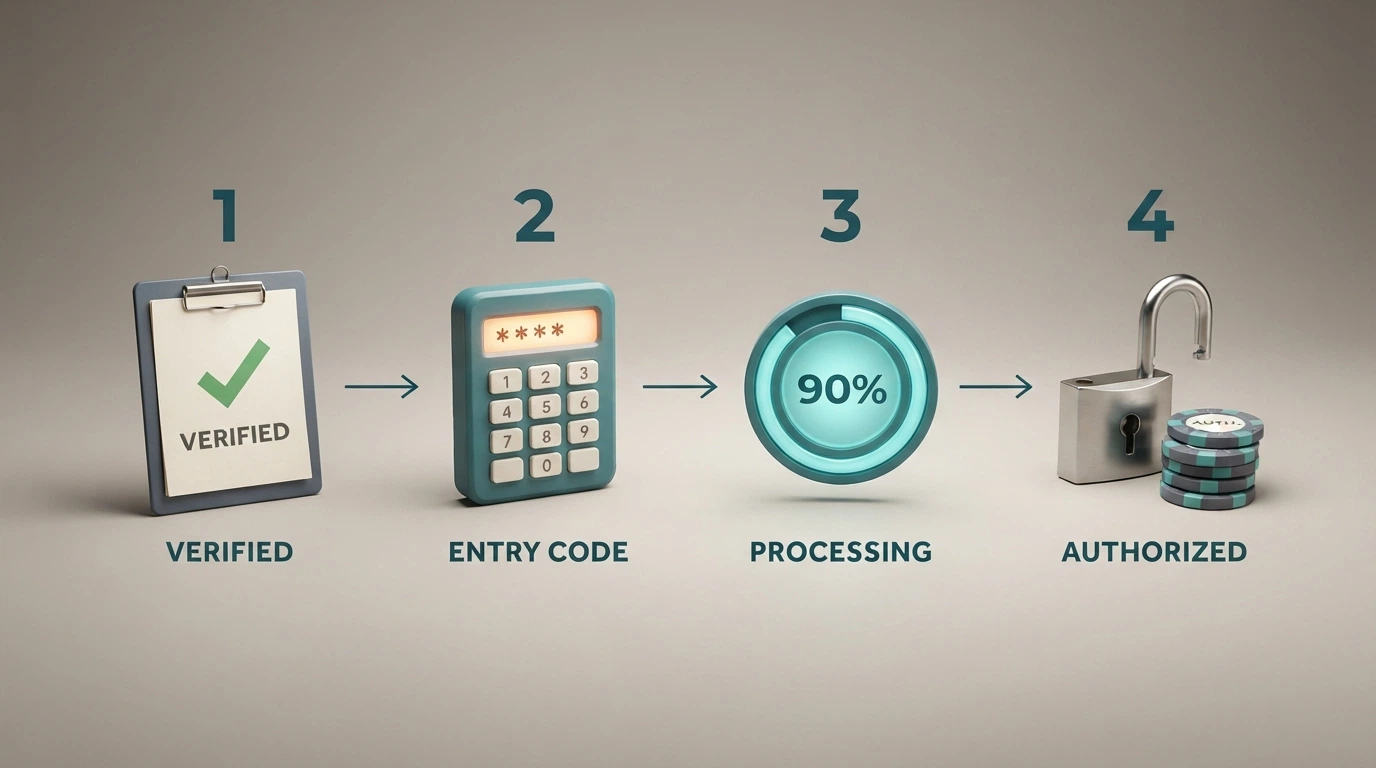
- Register and verify. Open an account with an email and a password, then complete the casino’s KYC — government-issued ID, proof of address, and sometimes a selfie holding the ID. The verification takes 24 to 72 hours and is required before any withdrawal, including from a no-deposit bonus.
- Claim the offer. Either enter a bonus code at the cashier or let the credit land automatically. The page the offer was promoted on usually names the code; some operators credit the bonus the moment verification finishes.
- Wager the bonus balance. Play through the wagering requirement on eligible games. Pokies contribute 100%; table games typically contribute 0% to 10%; some live dealer and video poker titles are excluded entirely.
- Withdraw (maybe). Request a payout once the wagering is complete. The casino will run a final KYC check, then either send the money or apply the maximum cashout cap — whichever is lower.
Each gate is a place the offer can be reduced. Verification can stall. Game contribution can drain the wagering. The max-bet rule — typically A$5 to A$7 per spin while clearing the bonus — can void the whole thing if broken once. The cashout cap can convert a winning session into a small refund.
Why Your 2026 No-Deposit Bonus Is Smaller Than It Looks
The headline figure is the smallest of the numbers that decide what is kept. Three others sit beside it, and each one cuts the offer down further: the wagering multiple, the maximum cashout and the expiry clock. Once all three are applied, the A$50 free chip that brought the player to the page is rarely A$50 on the way out.
A bonus at the midpoint of the typical range — A$35 in cash — at the 55x average wagering multiple that no-deposit offers carry this year means a required turnover of A$1,925 before any withdrawal is considered. At a 96% RTP slot — the rate most modern pokies publish — the expected loss across that turnover is around A$77, or about 4% of the volume a player must run through. The same arithmetic on the lower end of the range (A$20 at 55x) puts the expected loss near A$44; on the upper end (A$50 at 55x), around A$110.
This is the statistical shape of the offer, not a guaranteed outcome. Any individual session will deviate from it — sometimes by a lot. The expected loss is the long-run average across many spins under the stated assumptions; what one player wins or loses on a single A$35 bonus is not what the formula predicts.
Free Spins vs Free Cash: Two Paths, Two Sets of Strings
Free spins and free cash are not interchangeable, even when the headline values look similar. Free spins lock the player to one pokie at a fixed stake — typically A$0.10 to A$1.00 per spin — and any winnings flow into a bonus balance subject to wagering. Free cash lands as a wallet credit the player can spend across eligible games, usually at higher wagering multiples but with the freedom to pick the title.

The cost-to-clear comparison favours free spins in most cases, because the stake is fixed low and the wagering target is calculated on the winnings, not the spin count. Twenty free spins at A$0.10 stake that return A$15 in winnings need to clear 55x — about A$825 in turnover — to reach the cashout. Twenty dollars of free cash at the same 55x multiple is A$1,100 in turnover before withdrawal. The free-spin path is cheaper to clear, but it also gives the operator the right to nominate the game, the stake and the maximum cashout.
The Numbers That Decide Whether You Keep Anything: Wagering, Caps and Clocks
A worked example makes the trade-off concrete. Take a A$20 no-deposit bonus at a 40x wagering multiple. The required turnover is A$800. At a 96% RTP slot, the expected loss across that turnover is around A$32. The maximum cashout cap on most Australian-facing no-deposit offers sits between A$50 and A$100, often A$50 for the smaller bonuses. A player who wins A$400 during wagering can only withdraw A$50 to A$100 of it. The rest is forfeit.
The clock is the third number. Most no-deposit offers expire in 7 to 30 days. The smaller the bonus, the tighter the window tends to be. A 10-day expiry on a A$20 bonus with 40x wagering leaves a player running A$80 of turnover a day — achievable, but not leisurely, and not achievable at all if the casino’s eligible-game list skews toward high-volatility titles that pay less frequently.
The max-bet rule sits underneath all three. While wagering is in progress, single bets above A$5 to A$7 per spin void the entire bonus and all winnings. A player who hits the bonus button once at A$8 loses everything built to that point. Verification can stall at the same time, with a balance sitting on an account the player cannot reach.
No-Wagering Offers: The Exception That Costs You Elsewhere
A small subset of no-deposit offers comes with no wagering requirement at all. They are real but rare, and the value they give up elsewhere is the real story. These bonuses carry a maximum cashout of A$30 to A$50 — below the standard A$50 to A$100 range — and often arrive in the form of 20 free spins worth roughly A$2 in total nominal value. The spin winnings are paid as cash, with no playthrough, but the cash itself is small and almost always subject to a minimum-deposit clause before it can be withdrawn.
The result is a lower ceiling, a tighter game list and a deposit requirement bolted on. A player trading the 55x wagering for no wagering is trading a higher cashout cap for a smaller headline figure and a forced deposit on the way out. The arithmetic usually favours the standard offer unless simplicity is worth paying for.
Bonus Codes and Where They Fit in 2026
Bonus codes are the keys that unlock an offer. They appear on affiliate pages, in operator promotional emails, and on rotating banner ads at comparison sites. The mechanic is simple: enter a code at the cashier, or quote it to live chat, and the bonus credits. Most operators also run automatic-credit offers, where the bonus lands the moment verification finishes, and the difference is operational rather than financial.
Codes expire and rotate. An offer promoted in March may be gone by May; a code that worked last week may be dead today. The rotation is part of the acquisition logic — operators refresh codes to track which affiliate site drove the registration, and to retire offers whose wagering terms have started costing more than they acquire. A player searching for a working code in 2026 is searching through a moving target.
The honest framing is this: bonus codes are not collectibles. They are access tokens, and the access is to a small bonus with terms that decide what it is worth.
No-Deposit Offer Types at a Glance
The three common shapes — free spins, free cash and no-wagering no-deposit bonuses — sit at different points on the cost-versus-flexibility curve. Here is how they compare on the dimensions that decide what a player keeps.
| Offer type | Typical AU value | Wagering multiple | Max cashout | Key restriction |
|---|---|---|---|---|
| Free spins (locked to one pokie) | 10–50 spins at A$0.10–A$1.00 stake | 20x–50x on winnings | A$50–A$100 | One title only; stake fixed by operator |
| Free cash / bonus chip | A$5–A$25; premium A$50 rare | 35x–50x on bonus winnings | A$50–A$100 | Max bet A$5–A$7 during wagering; game weighting |
| No-wagering no-deposit | ~A$2 nominal (e.g. 20 FS) | None | A$30–A$50 | Minimum deposit usually required to withdraw; strict game list |
The trade-off is clear. Free spins are cheapest to clear but most restrictive in scope. Free cash is more flexible but carries a heavier turnover. No-wagering offers buy simplicity with a smaller headline and a deposit-required catch.
The Casinos Australians Are Finding — and Which Actually Carry a No-Deposit Bonus
Ten offshore casinos turn up repeatedly when Australians search for no-deposit bonuses. Two of them — Skycrown and Bizzo Casino — have no-deposit terms this review could confirm against the operator’s own terms page. The rest either carry no current no-deposit offer, hold one the search could not verify, or are listed by affiliate comparisons without the underlying bonus being surfaced.

That gap is itself the story. The list below ranks by relevance to the no-deposit topic — confirmed offers first, then brands that appear in Australian-facing searches, then names that show up in comparison tables without confirmed terms. A table of ACMA enforcement status follows, because the legal question is the one no affiliate comparison answers.
| Casino | ACMA enforcement status |
|---|---|
| Skycrown | No formal ACMA warning surfaced this review |
| Rocket Play | Formal warning, Q2 2025 (Dama N.V., unlicensed regulated interactive gambling service) |
| Bizzo Casino | Formal warning, Q3 2025 (Consolutetish SRL, prohibited interactive gambling service) |
| Royal Reels | No warning surfaced |
| FairGO | No warning surfaced |
| Stake | No warning surfaced |
| WinSpirit | No warning surfaced |
| Rainbet | No warning surfaced |
| Scream Casino | No warning surfaced |
| Rocket Casino | No warning surfaced |
Every operator in this list is offshore. The player-protection column would read the same on every row — no Australian consumer protection, no BetStop coverage, no ACMA complaints body to recover funds, and a site that can be DNS-blocked at any time with a balance still on it. The constraint is uniform enough that the table leaves it off and points to the section on offshore risk instead.
How We Ordered This List — and What ‘Best’ Cannot Mean Here
The ranking is built on three inputs, in this order of weight: whether a no-deposit offer was confirmed in the operator’s own terms, whether the offer’s terms are presented transparently enough to evaluate, and whether the operator appears on the ACMA’s enforcement record. The word “best” is doing less work than it usually does in this market.
No Australian online casino licence exists. The Interactive Gambling Act 2001 prohibits the provision of online casino games and online pokies to persons in Australia; no licence can be issued, federally or in any state or territory. That makes the usual ranking vocabulary — “safest,” “most licensed,” “most regulated” — meaningless. The ranking is, at best, a list of brands whose terms the page could read and whose enforcement history the page could check. It is not a recommendation.
What “best” can mean here: the operator whose no-deposit terms a player can verify before signing up, whose wagering and cashout figures the player can plan around, and whose name does not appear on a recent ACMA warning list. That is a lower bar than licensed-market rankings set, and it is the bar the Australian market actually imposes on any player looking for these offers.
Skycrown
Skycrown sits at the top of this list because it carries the most visible Australian-facing no-deposit offer this review could confirm: 40 free spins plus a A$10 chip, valued at approximately A$50 in headline terms, with 45x wagering on bonus winnings, an A$80 maximum cashout and a 10-day expiry. The structure is the standard free-spins-plus-cash package, and the headline figure sits at the upper edge of the typical A$5 to A$25 free-cash range.
The arithmetic is straightforward. Forty free spins at A$0.25 average stake — within the typical A$0.10 to A$1.00 range — return whatever the nominated pokie pays. The A$10 chip adds a small bonus-cash runway. Wagering 45x the combined winnings puts a real-money player in the A$500 to A$1,500 turnover range depending on session outcome. The A$80 cashout cap is the ceiling; a winning session that returns A$400 during wagering still pays out A$80.
No formal ACMA warning has surfaced against Skycrown in this review. That is not the same as a clean record — the operator sweep this review ran did not cover the ACMA register exhaustively, and absence of evidence is not evidence of absence. But the absence is the data point the table can show.
Verdict: The clearest terms this list surfaces, with a cashout cap high enough to make a winning session worth the wagering. Players who want a confirmed offer to evaluate — rather than an affiliate-listed offer to chase — should start here.
Rocket Play
Rocket Play is a Dama N.V. brand. Dama N.V. was the subject of a formal ACMA warning in Q2 2025 for providing an unlicensed regulated interactive gambling service — RocketPlay among them. The warning is the step the ACMA takes before a site is referred for blocking.
Rocket Play’s no-deposit bonus was not confirmed in this review. The brand is frequently listed in Australian-facing comparisons for no-deposit offers, but the offer shape is unknown without verified terms. What the ACMA warning tells a player is that the operator is on the regulator’s active list. A site that has been formally warned is closer to DNS-level blocking than a site that has not, and a balance held at a blocked site is a balance the player may not reach.
Verdict: Treat the brand as enforcement-active. A player considering Rocket Play should expect the site to be at higher risk of blocking than the un-warned operators on this list, and should not leave a balance sitting on the platform.
Bizzo Casino
Bizzo Casino offers 15 no-deposit free spins on Wild West Trueways, with the wagering and cashout terms set by the operator’s standard no-deposit conditions. The spin count is at the low end of the typical 10-to-50 range, and the title restriction means the bonus can only be cleared on the one game.
Bizzo is operated by Consolutetish SRL, which was the subject of a formal ACMA warning in Q3 2025 for providing prohibited interactive gambling services. Bizzo Casino was named in the warning. A formal warning for a prohibited service is one step closer to blocking than a warning for an unlicensed regulated service.
The offer itself is unremarkable against the market averages. Fifteen free spins at a fixed stake on a single pokie, with the standard 30x to 60x wagering range and an A$50 to A$100 cashout cap typical for this offer size. The thing that distinguishes Bizzo from the other small-spin offers in the market is the ACMA record, and that distinction works against the operator.
Verdict: The ACMA record is the reason this brand is here at all. The no-deposit offer is mid-market on its own terms; the warning is the extra cost.
Royal Reels
Royal Reels is a common name in Australian-facing comparisons for no-deposit bonuses, but the operator’s licence, the current bonus terms and the ACMA enforcement status were not surfaced in this review. The brand is offshore — no Australian licence can exist for an online casino — and the absence of confirmed terms is itself the data point.
A player evaluating Royal Reels should treat the missing data as a verification task. The questions to answer before claiming any bonus: who holds the operating licence, in which jurisdiction, and through which regulator’s register can that licence be checked. The ACMA register for warnings and the licence-issuer’s register for the licence itself. Until both are confirmed, the offer is unverified.
Verdict: Skip unless the player is willing to do the verification themselves. The data gap is too wide for a confident read.
FairGO
FairGO is listed on an Australian-facing no-deposit bonus comparison site, and that listing is the data point this review holds. The operator’s bonus terms, licence details and ACMA status were not surfaced in this round. The brand name is well known among Australian-facing offshore casinos, but familiarity is not the same as verified terms.
The same verification task applies as for Royal Reels: confirm the licence issuer, confirm the licence is current, confirm the offer’s wagering and cashout terms directly from the operator’s terms page. A comparison-site listing tells a player the brand is being marketed at Australians; it does not tell them what the brand offers once they sign up.
Verdict: A familiar name in AU-facing searches, but familiarity is a marketing artefact. Treat the bonus as unconfirmed until the operator’s own terms are checked.
Stake
Stake is a major global crypto casino brand and one of the most recognised names in offshore gambling. Its profile — high-traffic, sportsbook-integrated, crypto-native — makes it a frequent appearance in Australian-facing no-deposit search results, even though Stake’s standard promotional structure does not centre on no-deposit bonuses for the Australian market.
This review did not surface a confirmed Stake no-deposit bonus. Stake’s offers lean toward rakeback, reload bonuses and sportsbook promotions, and the absence of a no-deposit offer in this review is consistent with that product mix rather than a search gap. A player looking for a no-deposit bonus specifically is unlikely to find one here.
The legal position is the same as every brand on this list. Stake is offshore, no Australian licence can exist for what it provides, and no Australian consumer protection covers a balance held on the platform. Brand recognition cuts both ways: it lowers the verification cost but it does not change the legal position.
Verdict: A reasonable brand for a player who already has a Stake account and wants to use the platform, but not a destination for a no-deposit bonus specifically. The product mix does not centre on this offer type.
WinSpirit
WinSpirit is another familiar name in Australian casino lists. Licence details and current no-deposit terms were not surfaced in this review, and the brand is not named on the ACMA’s published 2025 warning lists. The gap is large enough that the operator’s bonus cannot be described in detail here.
The same verification applies. Confirm the licence issuer and the licence’s currency. Confirm the wagering multiple, the cashout cap and the eligible games directly from the operator’s terms page before claiming. The absence of an ACMA warning is a positive data point but not a clean bill of health — the operator sweep this review ran did not exhaust the ACMA register.
Verdict: A player willing to verify the terms themselves before signing up is the only reader this brand suits in the current information environment.
Rainbet
Rainbet appears in Australian-facing search results for no-deposit bonuses. Licence details and no-deposit bonus terms were not surfaced in this review. No ACMA warning has been published against the brand in the 2025 quarterly reports that this review consulted. The brand is offshore, with all that implies for player protection.
A no-deposit offer at an unverified operator is a higher-risk proposition than a no-deposit offer at a confirmed operator, because the wagering terms, the cashout terms and the verification process cannot be checked before sign-up. The acquisition cost to the operator is real — the bonus is funded, and the operator wants the player to deposit — but the player’s cost is also real, because the player’s verification, time and bonus balance are exposed to an operator with no Australian accountability.
Verdict: The risk is the unverified terms, not the brand itself. Same verification task as Royal Reels and WinSpirit.
Scream Casino
Scream Casino appears in Australian-facing search results for no-deposit bonuses. The operator’s licence, the current no-deposit terms and the ACMA status were not surfaced in this review. The data gap is wide.
The brand name cuts through some of the noise of generic offshore casino names, but a memorable name is not a verified offer. A player who sees Scream Casino listed on an affiliate comparison should treat the listing as a starting point, not a recommendation, and run the same verification process applied to Royal Reels, FairGO, WinSpirit and Rainbet.
Verdict: No confirmed terms means no confident read. Verify before claiming.
Rocket Casino
Rocket Casino shares a name space with Rocket Play but is a separate operator. Both are offshore, both serve Australian players, and neither holds an Australian licence because no such licence can exist. This review did not surface a no-deposit bonus from Rocket Casino, nor was an ACMA warning against the brand surfaced.
The shared name with Rocket Play is the one piece of context that matters. A player who sees both names in a search result should not assume they are related operators; the ACMA enforcement record against Dama N.V. (Rocket Play) does not automatically extend to Rocket Casino. The same verification task applies to this brand as to the others in the unverified half of this list.
Verdict: Verify separately from Rocket Play. The shared name is a coincidence, not a corporate relationship.
New Casinos, New Offers — Do Fresh Brands Bring Better No-Deposit Deals?
A brand-new casino faces the same acquisition economics as an established one, but without the established one’s track record. The cheapest customer-acquisition tool in online gambling is a no-deposit bonus, and a new operator tends to spend more of it, more aggressively, in the first few months — because the only thing it is selling is the chance to be tried.
That incentive produces bigger headlines. A new casino offering A$50 in no-deposit cash where an established casino offers A$10 is buying the same registration, with more acquisition spend. The terms underneath the headline are usually where the cost shows up: higher wagering multiples, tighter cashout caps, shorter expiry windows, more aggressive max-bet rules. The bigger number is real; the bigger bill is hidden.
The risk is asymmetric. A new casino with a generous no-deposit bonus and no track record is trading novelty for unknown risk. A player claiming the offer is betting that the operator will honour the wagering terms, pay the cashout if the player wins, and not disappear mid-process. With an established operator, the bet has been made many times. With a new one, the player is the test.
What a Brand-New Casino’s No-Deposit Offer Actually Signals
A large no-deposit bonus from a casino that opened last month is a customer-acquisition cost, not a gesture of goodwill. The operator is paying for a registered account; the rest of the offer’s economics depend on how many of those accounts convert to depositors. An offer that returns A$50 in bonus cash to ten per cent of claimants, on terms that mean most claimants walk away with nothing, is still a profitable acquisition.
The verification task for a new casino is the same as for an established one, with one extra step. Confirm the operator’s age — when the domain was registered, when the operating company was incorporated, how long the licence has been held. The shorter the history, the larger the implicit bet on the operator’s good faith. Five terms should make a player walk away from any no-deposit offer, on a new or established brand: a max cashout below A$50, wagering applied to “bonus plus winnings” rather than bonus only, a maximum bet during wagering below A$2.50, vaguely defined “irregular play” clauses, and an expiry under seven days combined with wagering above 40x.
Getting Paid: Why Your Withdrawal Method Matters More Than the Bonus
The withdrawal method tells a player more about the operator than the bonus it advertises. The fastest routes — e-wallets and crypto — are also the routes with the fewest consumer protections. The slowest routes — bank transfers and card withdrawals — leave a longer paper trail. The identity-verification gate sits in front of all of them.
The Australian-banking rails complicate the picture. PayID and Osko are Australian payment systems that move money between Australian bank accounts in near-real time. An offshore casino accepting PayID is not licensed by an Australian regulator — PayID is a payment rail, not a licence — but the speed of the transfer can mislead a player into thinking the operator is closer to home than it is.
E-Wallets and Bank Transfers: Speed vs Scrutiny
E-wallets process withdrawals fastest — typically within 24 hours once the casino has approved the request. Bank transfers and card withdrawals take three to five business days. Neither gives a player Australian consumer protection. The KYC layer — government ID, proof of address, sometimes a selfie holding ID — applies regardless of method and runs 24 to 72 hours before any withdrawal is approved.
A casino pushing crypto-only deposits is unambiguously outside the Australian rules. Credit cards and crypto have been banned as payment methods for licensed Australian online wagering since 11 June 2024, with penalties of up to A$247,500 for operators who fail to enforce the ban. An offshore casino accepting crypto has chosen to operate outside that regime by definition. A player depositing crypto is sending it to an address the operator controls, with no chargeback path and no Australian intermediary.
The payment method is itself a tell. A licensed Australian wagering operator cannot accept a credit card or crypto deposit. An operator asking for one is offshore, by definition.
Crypto No-Deposit Bonuses: Anonymity Has a Price
Bitcoin and other crypto no-deposit offers promise privacy, faster settlement and access from jurisdictions where fiat banking is restricted. What they actually deliver, for an Australian player, is an operator outside every Australian safeguard — and a balance denominated in something that can move 10% while the wagering clears.
Crypto casinos are a growing segment of the offshore market. The no-deposit offers they run take the same shapes as fiat offers — free spins, free cash, no-wagering chips — but the underlying rails are different. The wallet address is the account identity; the blockchain is the ledger; the exchange rate between the bonus’s crypto denomination and the Australian dollar is set by the operator. A bonus worth A$50 when claimed may be worth A$45 or A$55 by the time the wagering clears, depending on which way the market has moved.
Bitcoin Bonuses and the No-KYC Promise
A casino promising no identity check is promising to break the law — KYC is an anti-money-laundering obligation, and skipping it signals deeper risk. Legitimate operators, offshore or not, enforce KYC at withdrawal because the alternative is regulatory exposure they cannot afford. A casino that does not enforce KYC is operating outside the standard anti-money-laundering framework.
For an Australian player the calculus is sharper. Most Australian-facing casinos already require KYC before any withdrawal — government-issued ID, proof of address, sometimes a selfie. A crypto casino that does not require KYC has decided that the regulatory risk of not enforcing it is lower than the customer-acquisition cost of enforcing it. That decision says something about the operator’s other decisions.
The volatility risk is the other cost. A bitcoin-denominated bonus is a bitcoin-denominated balance, and the wagering turnover is a turnover in bitcoin. If the bitcoin price drops 10% during the wagering window, the player is running the same turnover against a smaller Australian-dollar balance. If the price rises, the player keeps the upside — but the player is also exposed to exchange-rate risk on the way in and the way out.
Every Bonus on This Page Sits Outside Australian Law — Here’s What That Costs You
Online casino is a prohibited service in Australia. The Interactive Gambling Act 2001 makes it an offence to provide an online casino, online pokies or in-play sports betting to a person in Australia. There is no licence for it anywhere in the country — not federally, not in any state or territory. Every no-deposit bonus listed on this page is an offer from an offshore operator; every one of them is providing a prohibited interactive gambling service to Australians.

That is the legal position as at 2026. The ACMA enforces it. The 2026 reform strengthens it. The consumer protection it provides to players is the absence of those very operators from the licensed market — which means the consumer protection it provides to players who use those operators is zero.
The Interactive Gambling Act 2001: What It Bans and What It Doesn’t
The Interactive Gambling Act 2001 prohibits the provision of online casino games and online pokies to persons in Australia. In-play sports betting is also prohibited. What remains legal is wagering on races and sporting events placed before the event begins, lotteries and keno, all through operators licensed by a state or territory. The Northern Territory Racing and Wagering Commission, administered through Licensing NT, is the de facto national licensor for online wagering — Sportsbet, bet365, Ladbrokes and about fifty others hold NT licences.
The 2017 amendments to the Interactive Gambling Act closed loopholes that offshore operators had been using and gave the ACMA its enforcement and blocking powers. The 2026 reform — passed on 19 August 2026, with measures commencing 1 January 2027 — adds hourly caps on wagering advertising, a live-sport blackout for wagering ads, a ban on athletes, celebrities and influencers promoting wagering products, and bank authority to block transactions to illegal gambling operators.
The individual player is not prosecuted. The IGA targets the provider. But using an offshore casino means no Australian consumer protection, no ACMA complaints body to recover money, no BetStop coverage, no recourse if the operator refuses a withdrawal or closes the account, and the site can be DNS-blocked at any time with a balance still on it. There is no federal deposit, loss or stake ceiling for online gambling because the product those ceilings would govern is banned outright.
ACMA Enforcement: 1,788 Sites Blocked and Counting
The ACMA made its first blocking request in November 2019. As at March 2026, 1,564 illegal gambling and affiliate websites had been blocked by Australian ISPs. By 20 August 2026 the total reached 1,788, and more than 230 illegal services had withdrawn from the Australian market since the strengthened enforcement started in 2017.

The quarterly enforcement data makes the pace concrete. Q4 2025: 483 complaints received, 23 investigations completed into 45 gambling sites, 69 IGA breaches found, 10 formal warnings issued. Q3 2025: 411 complaints, 29 investigations into 30 sites, 44 breaches, 20 formal warnings. Q2 2025: 330 complaints, 20 investigations into 24 sites, 30 breaches, 10 formal warnings. The investigation-to-warning ratio is high, and the cumulative count of blocked sites continues to climb.
In January 2026 the ACMA issued eight infringement notices to Tabcorp Holdings, each for A$19,800, for a total of A$158,400, for providing a prohibited interactive gambling service — in-play betting — in contravention of the IGA. The notice is a reminder that enforcement reaches the licensed market too, not just the offshore operators.
From 1 January 2027, banks and payment providers gain express authority to block transactions to illegal gambling operators. A player using an offshore casino after that date is sending money through an Australian bank to an address the bank can refuse to honour. The transaction layer becomes an enforcement layer.
What You Give Up When You Play Offshore: Consumer Protection, BetStop and Recourse
The consumer safeguards an Australian punter takes for granted disappear the moment the operator is offshore. The list is short, and every item on it matters:
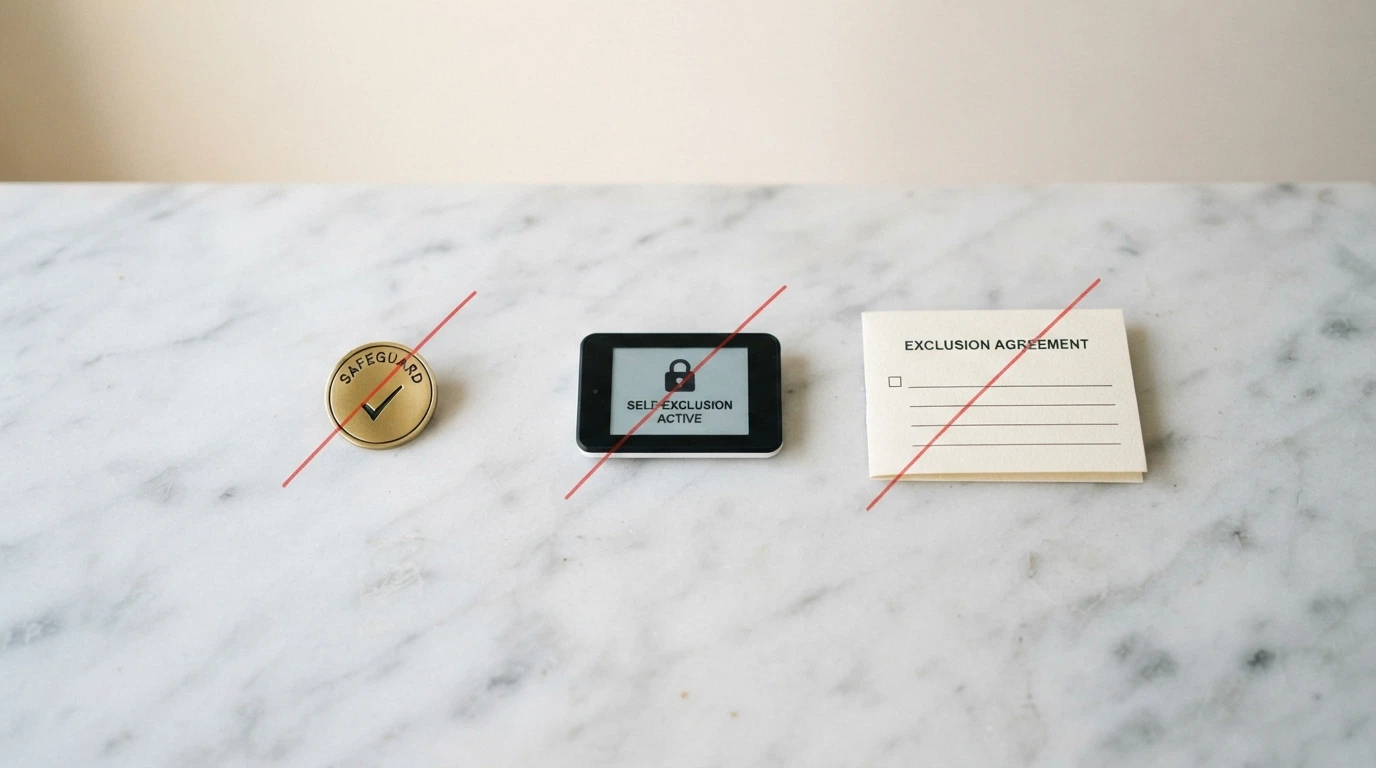
- No ACMA complaints body. If the operator refuses a withdrawal, drags out KYC, or closes the account with a balance on it, the player cannot lodge a complaint with the ACMA and recover funds. The ACMA’s complaints function covers licensed wagering services only.
- No BetStop coverage. A self-excluded Australian who opens an offshore casino account will not be stopped. BetStop binds licensed wagering services, and offshore casinos are not connected to it. The exclusion does not travel.
- No Australian Consumer Law protection. The Australian Consumer Law — refund rights, misleading-conduct provisions, the ability to sue in an Australian court — does not apply to a contract with an offshore operator for a service that is prohibited in Australia.
- DNS-level blocking can strand a balance. The ACMA can direct Australian ISPs to block an offshore casino’s domain. If the operator’s payment-processing domain is blocked at the same time, a player holding a balance may not be able to reach the cashier to withdraw. The block is real and it can be sudden.
The ACMA’s own statement on this point is plain: Australians who use illegal gambling services risk losing their money. That is not a marketing line. It is the regulator describing the risk in the terms the regulator uses.
Playing Without a Safety Net: What Offshore No-Deposit Bonuses Mean for Safer Gambling
Responsible-gambling tools — deposit limits, time-outs, activity statements, self-exclusion — are built into every Australian-licensed wagering service. They are not built into every offshore casino, and a no-deposit bonus is the front door into an environment where some of them may not exist at all.
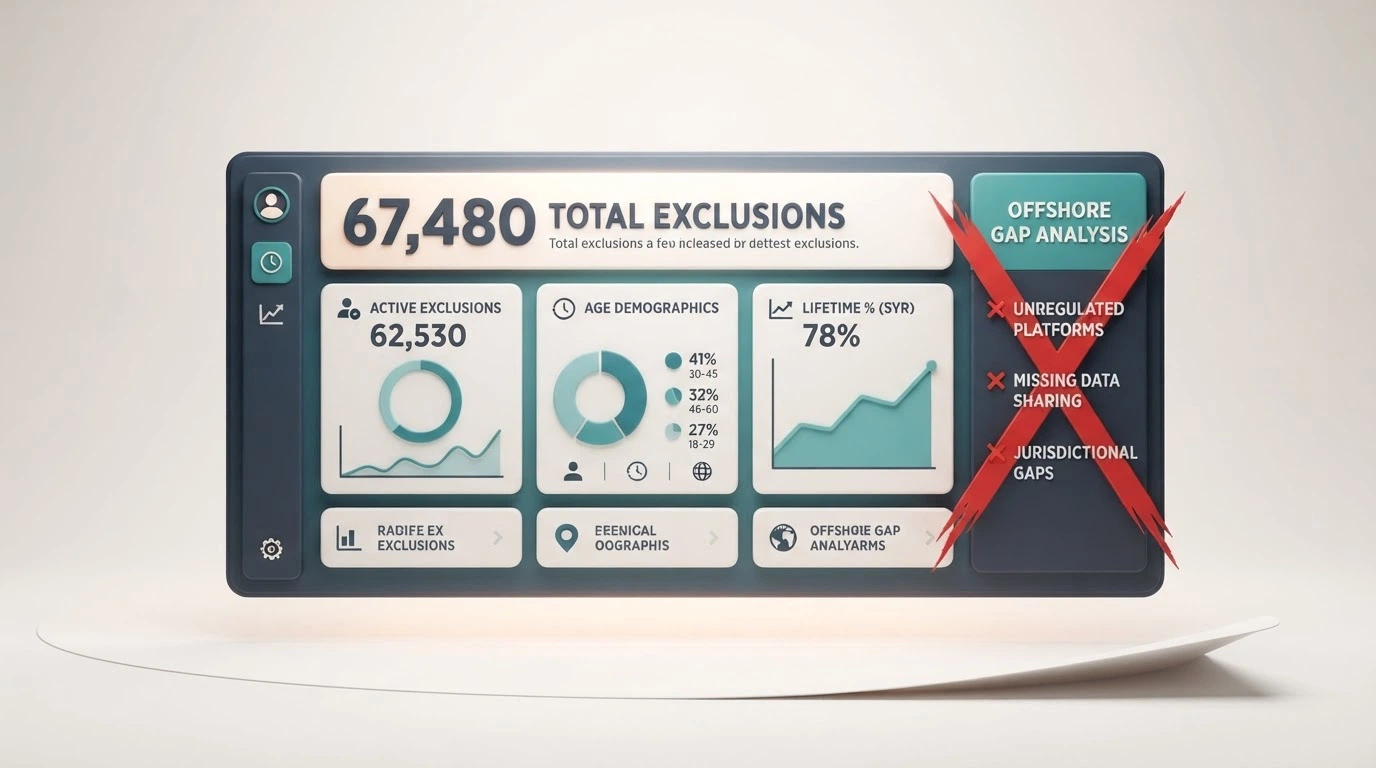
The tools the licensed market provides are the tools the offshore market is not required to provide. That gap is the practical cost of using an offshore no-deposit bonus. The player is opting out of every Australian safety net the moment they create an account with a brand from the list above.
BetStop: The Self-Exclusion Register That Offshore Casinos Ignore
BetStop, the National Self-Exclusion Register, has been live since August 2023. One registration excludes a person from every Australian-licensed online and phone wagering service in a single step. As at 31 July 2026, BetStop had 67,480 registrations in three years of operation, of which 41,290 exclusions were still active — more than 60%. Seventy-eight per cent of registrants were under 40, and 38% chose lifetime exclusion.
BetStop binds licensed wagering services only. An offshore casino is not licensed in Australia, is not connected to the register, and will keep taking a self-excluded person’s money. A player who has registered with BetStop and then signs up at an offshore casino has self-excluded from the licensed market and exposed themselves to the unlicensed one. The registration does not travel with the account.
The reform from 1 January 2027 layers on top of this. Direct marketing of inducements is prohibited for 14 days after a customer signs up, for three months after a person deregisters from BetStop, and indefinitely for customers identified as at risk of gambling-related harm. The federal restrictions target the licensed market. Offshore casinos are not subject to them.
Deposit Limits, Time-Outs and the Tools You Lose When You Leave the Licensed System
Australian-licensed wagering operators must offer deposit limits, time-out tools, activity statements and exclusion pathways. An offshore casino may offer some of these, may offer all of them, or may offer none. There is no requirement either way, and no Australian regulator checking which.
About 2.1% of Australian adults — roughly 430,000 people — experience problem gambling. The Australian Institute of Health and Welfare put high-risk gambling at 1.8% in 2022. The licensed market’s responsible-gambling tools are designed for that population; the offshore market is not. A player with a history of problem gambling who opens an offshore casino account is opting out of every Australian safeguard designed for them.
The fallback exists. The National Gambling Helpline is 1800 858 858 — free, confidential, staffed 24 hours a day, seven days a week. Online support is available through Gambling Help Online at gamblinghelponline.org.au. These services are free, Australian-based, and independent of any operator.
How We Researched This Guide — Our Selection Criteria
This guide was built from public sources. The ACMA’s quarterly enforcement reports and the regulator’s published blocking list supplied the enforcement record. Operator terms pages and Australian-facing affiliate comparisons supplied the bonus figures. The Interactive Gambling Act 2001, the 2017 amendments and the 2026 reform supplied the legal framing. Where a figure came from a comparison site rather than the operator directly, the operator was given priority; where neither surfaced the figure, the gap was left as a gap.
The operator selection basis was brands that appear in Australian-facing search results for no-deposit bonuses. The ranking is built on three inputs, in this order of weight: whether the operator’s no-deposit terms could be confirmed from the operator’s own published terms, whether those terms were presented transparently enough to evaluate, and whether the operator appears on the ACMA’s enforcement record. No claim was carried into the article that the consulted set did not support.
The limitations are real. The operator sweep budget was exhausted by the general round, and licence dates from the regulator register were not surfaced for several of the brands in this list. Where research carries no per-operator figure, the article states that gap plainly. A reader who needs a verified licence date or a verified provider list for any of the brands in this review can check the issuing regulator’s register directly.
The legality of this market shaped what the page could and could not do. No Australian online casino licence exists — the Interactive Gambling Act 2001 prohibits the product outright — so a comparison of “licensed” operators was never possible. The article describes the operators that Australian players actually reach, ranks them on the data available, and names the legal position that applies to all of them.
No-Deposit Bonuses in 2026: The Verdict That Puts You First
The page has laid out the offers, the maths, the law and the risks. Here is the verdict.
A no-deposit bonus is worth claiming when three conditions hold at once. The operator’s terms — wagering multiple, maximum cashout, max-bet rule, expiry window, eligible games — can be read before sign-up. The ACMA register does not show a recent formal warning against the brand. The player is treating the offer as a low-cost way to test a platform, not as a way to make money.
A no-deposit bonus is not worth claiming when the terms cannot be verified, when the brand has been formally warned by the ACMA in the last twelve months, or when the player is chasing a win rather than testing a platform. The arithmetic of clearing a 55x wagering multiple at a 96% RTP slot leaves the player expected to lose roughly 4% of the required turnover — A$77 on a A$35 bonus at the market average — before the cashout cap is applied. The offer is free to claim and not free to clear, and the gap between those two facts is where the cost lives.
Three questions to ask before claiming any no-deposit bonus. Can the wagering, cashout, expiry and game-restriction terms be read on the operator’s own page before sign-up? Is the brand named on the ACMA’s published warning or investigation list for the last four quarters? Is the offer being treated as a low-cost test of a platform — with a time and money budget the player is willing to lose — or is the player expecting to come out ahead?
If the answer to any of those is no, the offer is not worth the time it takes to claim it. The Australian market does not give the player a second line of defence. The page is the first.
Frequently Asked Questions
What is the maximum amount I can cash out from a no deposit bonus?
Most Australian-facing no-deposit offers cap cashout between A$50 and A$100, with smaller bonuses usually capped at A$50. The cap applies regardless of how much is won during wagering — a session returning A$400 still pays out only the capped amount. Higher ceilings exist but usually arrive with harsher wagering multiples or narrower game lists.
What happens if an offshore casino refuses to pay my no deposit bonus winnings?
The player has no Australian complaints body to recover funds. The ACMA’s complaints function covers licensed wagering only, and the Australian Consumer Law does not apply to contracts with offshore operators for prohibited services. A chargeback through the bank is possible but the operator’s terms usually allow them to void winnings for irregular-play breaches.
Is BetStop connected to offshore online casinos that offer no deposit bonuses?
No. BetStop — the National Self-Exclusion Register, live since August 2023 — binds Australian-licensed wagering services only. Offshore casinos are not connected to it, and a self-excluded Australian who opens an offshore account will not be stopped. As at July 2026 the register held 67,480 registrations, none of which reach the operators on this page.
What is the Interactive Gambling Act 2001 and how does it affect no deposit bonus offers?
The Interactive Gambling Act 2001 prohibits providing online casino games and online pokies to Australians. No licence exists anywhere in the country for online casino. The 2017 amendments gave the ACMA blocking powers, and the 2026 reform commencing 1 January 2027 adds bank authority to block transactions to illegal operators.
Are no deposit bonus codes still working in Australia in 2026?
Codes expire and rotate frequently. An offer promoted on an affiliate page one month may be gone the next, and codes on individual brands change without notice. They are access tokens to small bonuses whose terms decide what they are worth — finding a working one in 2026 means searching a moving target.
Welcome vs Real-Money No-Deposit Offers: What Changes When You Haven’t Paid?
Most no-deposit bonuses are welcome offers, restricted to a player’s first account. They run once, then disappear. Real-money reload no-deposit bonuses — credits or spins issued to existing players without a deposit — are rarer in the offshore market because the operator has already extracted the acquisition value.
The terms tighten further when the operator already knows the player. A welcome offer can afford a slightly higher cashout cap because the operator is buying a relationship. A reload no-deposit offer carries lower caps and tighter game lists because the operator is rewarding loyalty without committing to new acquisition spend. The shape of the bonus changes; the cost to clear it usually rises.
A handful of Australian-facing operators do run real-money no-deposit promos — birthday bonuses, seasonal free-spin drops, push-notification credits. They are short-windowed and rarely advertised in advance. A player who already holds an account at one of the brands in this list should treat those promos as a small windfall rather than a steady feature, and read the attached wagering terms the same way.
New vs Established: Does Track Record Beat a Fresh Bonus?
An established offshore casino — one that has survived multiple years without appearing on the ACMA blocklist — has at least demonstrated that it can keep operating. That is a low bar in a market where 1,788 sites have been blocked and more than 230 services have been forced to withdraw since 2017. Survival in that environment is a data point, even if it is not a recommendation.
The no-deposit terms at established brands tend to land at the market averages — A$20 to A$50 in cash, or 20 to 50 free spins, with wagering around 55x and a cashout cap of A$50 to A$100. A new casino dangling a headline figure above those averages is either spending more on acquisition than the market pays (and recovering it through tighter terms) or compensating for a weaker product. Either way, the bigger bonus is a cost the player pays through the terms.
The trade-off is real. A track record is not a guarantee — established offshore casinos also refuse withdrawals, drag out KYC, and apply maximum-bet rules strictly. A fresh bonus is not a guarantee of bad faith — new operators occasionally launch with terms that genuinely are generous. But in an environment where the operator’s incentive is to extract the second deposit rather than pay the first withdrawal, the operator that has paid out before is the operator the player knows.
PayID and Osko: Fast Money, but Who Is on the Other End?
PayID is a New Payments Platform address — an email, phone number or ABN linked to an Australian bank account. Osko is the near-real-time settlement layer that sits behind it. Together they let a player move money to an offshore casino in seconds, and receive winnings the same way.
The speed does not change the legal position. An offshore casino accepting PayID is providing a prohibited interactive gambling service to a person in Australia; no licence can be issued, and PayID acceptance is not a regulatory endorsement. The offer terms at PayID-accepting casinos tend to be tighter than the market average: 10 to 20 free spins on a specific slot, a maximum cashout of A$50 to A$100, and wagering of 30x to 60x. Some PayID-specific no-deposit offers carry wagering as high as 50x to 60x, above the general no-deposit average. The acquisition spend is real, but so is the cost to clear.